Skip to content
Dream a little Dream

Review: Netflix’s exquisite The Sandman is the stuff dreams are made of

A master class in adapting a beloved graphic novel series.

Jennifer Ouellette | 221
Neil Gaiman's classic "unfilmable" graphic novel series gets the adaptation he always wanted. Credit: Netflix
Story text

Like many nerds of a certain age, I have long adored Neil Gaiman’s Sandman graphic novel series; it was an enormous influence on my younger self. So I was thrilled to hear of Netflix’s planned adaptation when it was announced in 2019—but I also experienced some trepidation given the past misguided efforts to bring the story to the screen. That trepidation was unwarranted because The Sandman is a triumph. It’s everything I had hoped to see in an adaption, and it has been well worth the wait.

(Warning: Some spoilers for the original graphic novels and the Netflix series below.)

The titular “sandman” is Dream, but he is also called Morpheus, among other names. He is one of seven entities known as the Endless. (The other Endless are Destiny, Destruction, Despair, Desire, Delirium, and Death.) Gaiman’s 75-issue revival of the DC character is an odd mix of mythology, fantasy, horror, and history, rife with literary references and a fair bit of dark humor. There really is nothing quite like it, and the series proved to be hugely popular and enduring. One standalone story, “A Midsummer Night’s Dream” (The Sandman No. 19) even won the 1991 World Fantasy Award for Best Short Fiction, the only time a comic has been so honored.

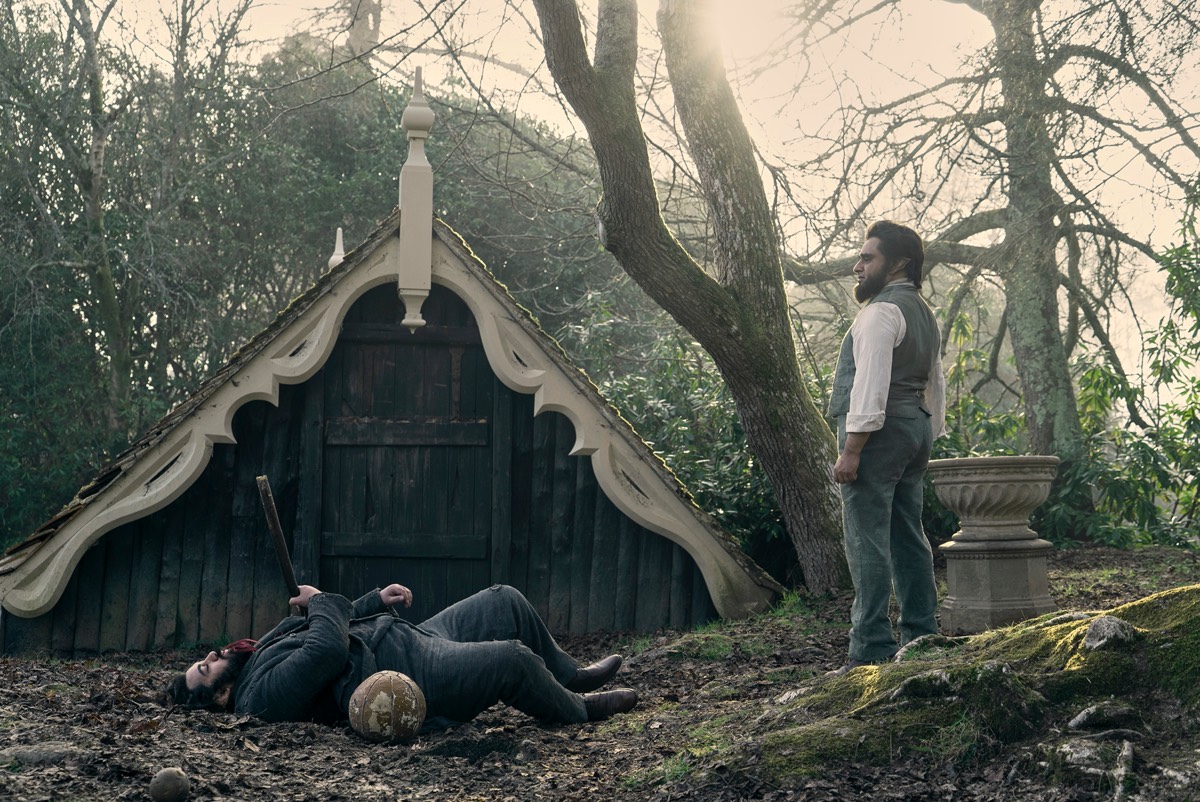
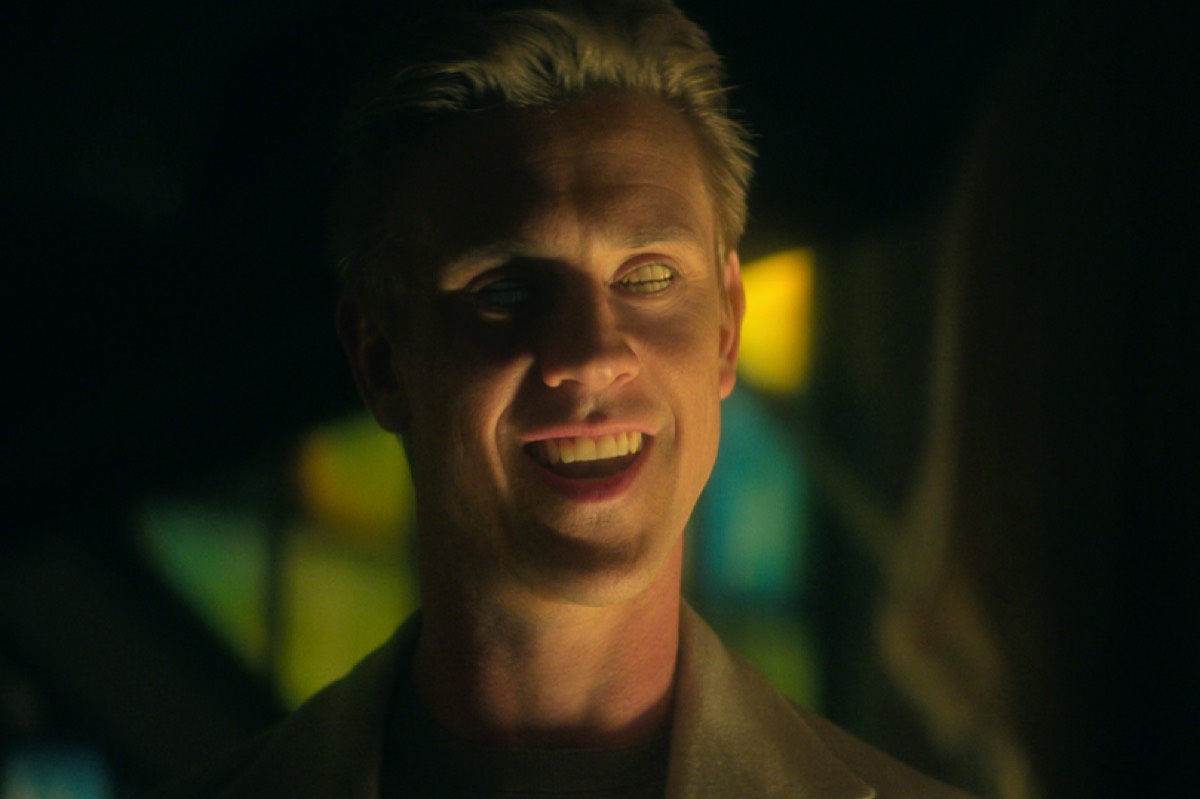
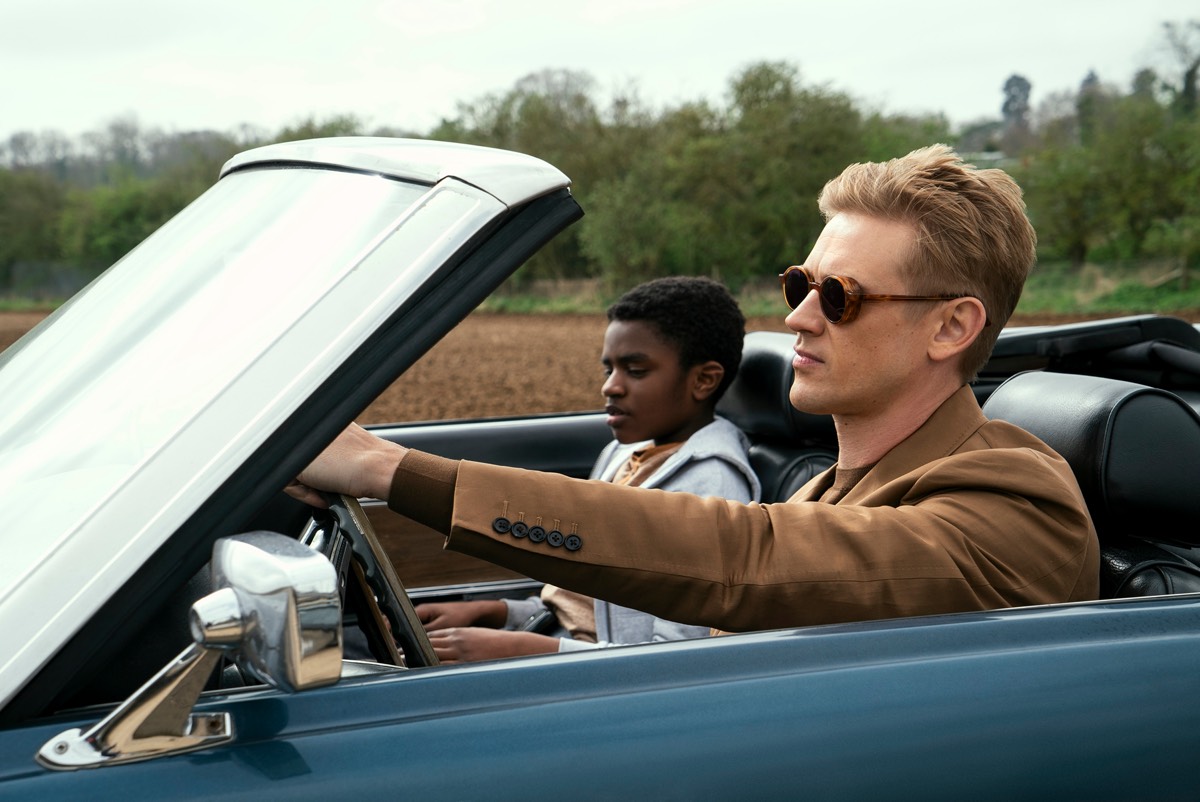
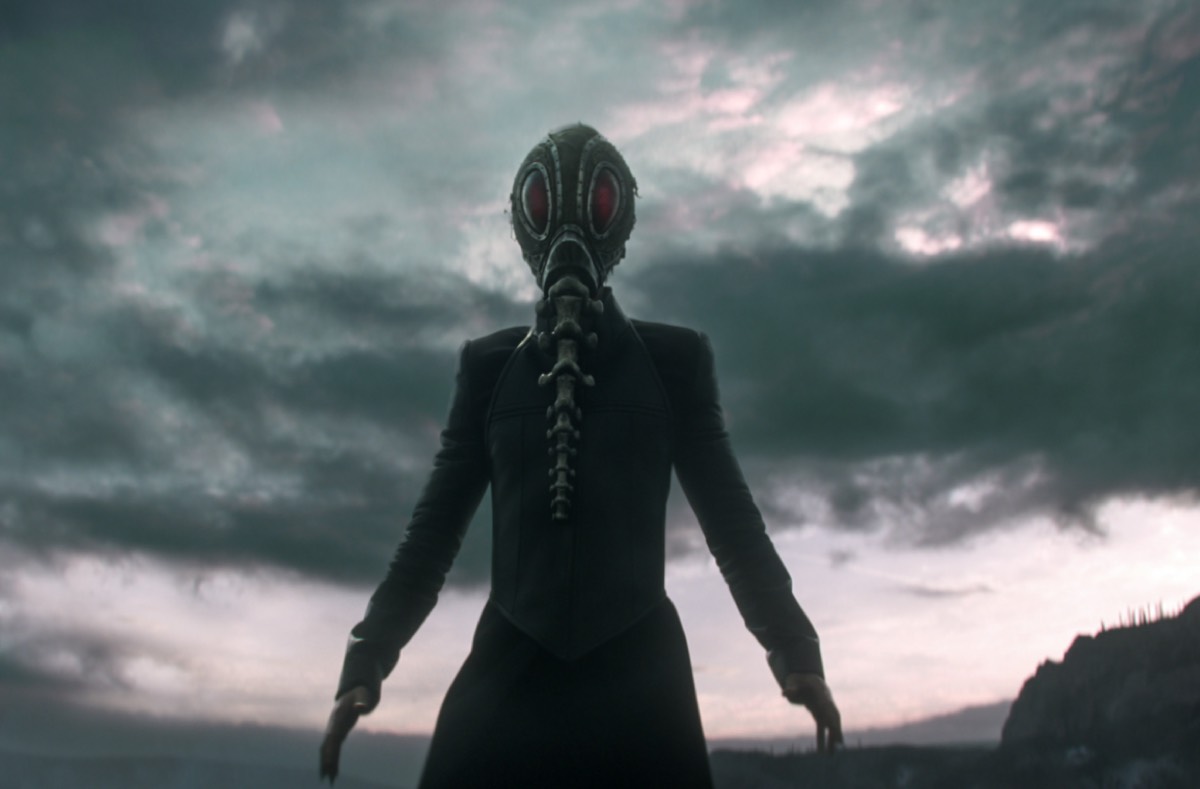
The first season is largely based on the events depicted in Preludes and Nocturnes and A Doll’s House, with some additional elements drawn from or referencing later material. We open with Morpheus (Tom Sturridge) leaving the Dreaming to bring back a prodigal nightmare called the Corinthian (Boyd Holbrook). Before he can do so, he is captured by an occult ritual performed by an occultist named Roderick Burgess (Charles Dance), who sought to capture Death to bring back his son, who died in World War I. Dream refuses to yield to his demands, and while the aristocrat’s son, Alex (Laurie Kynaston), initially considers freeing Morpheus, he eventually becomes his father’s accomplice.
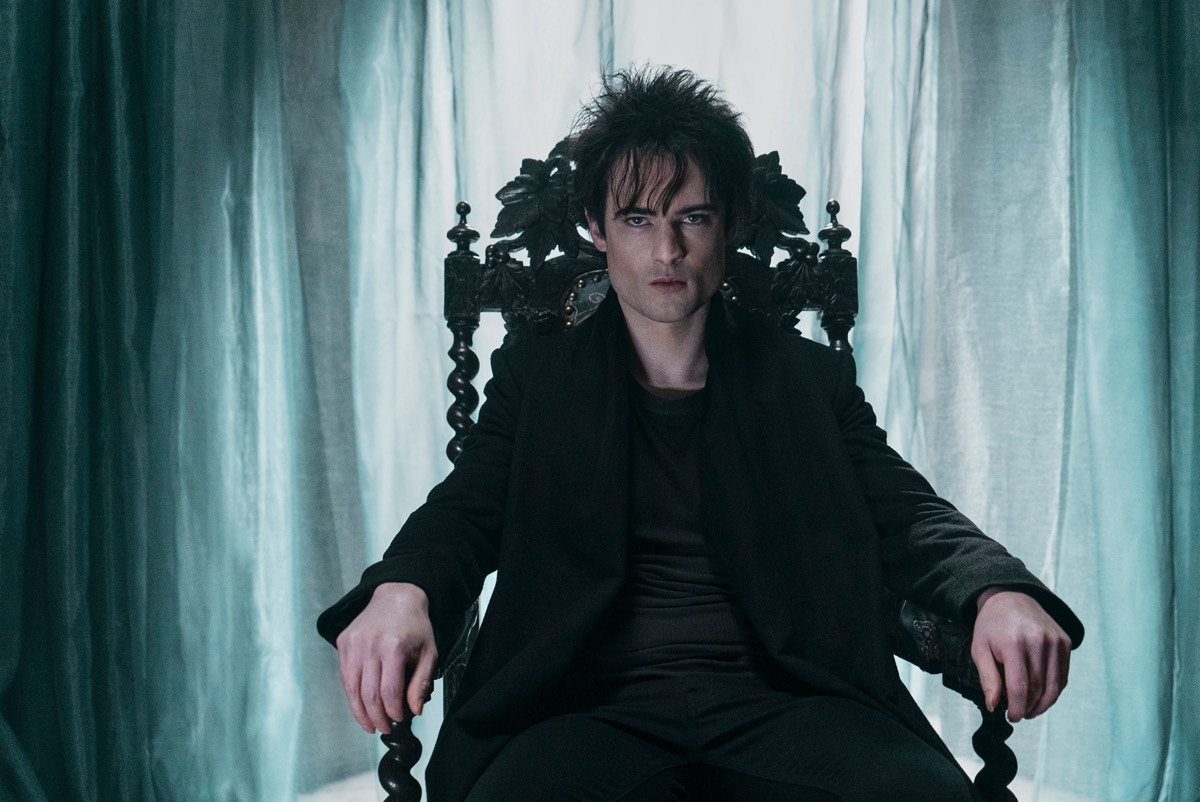
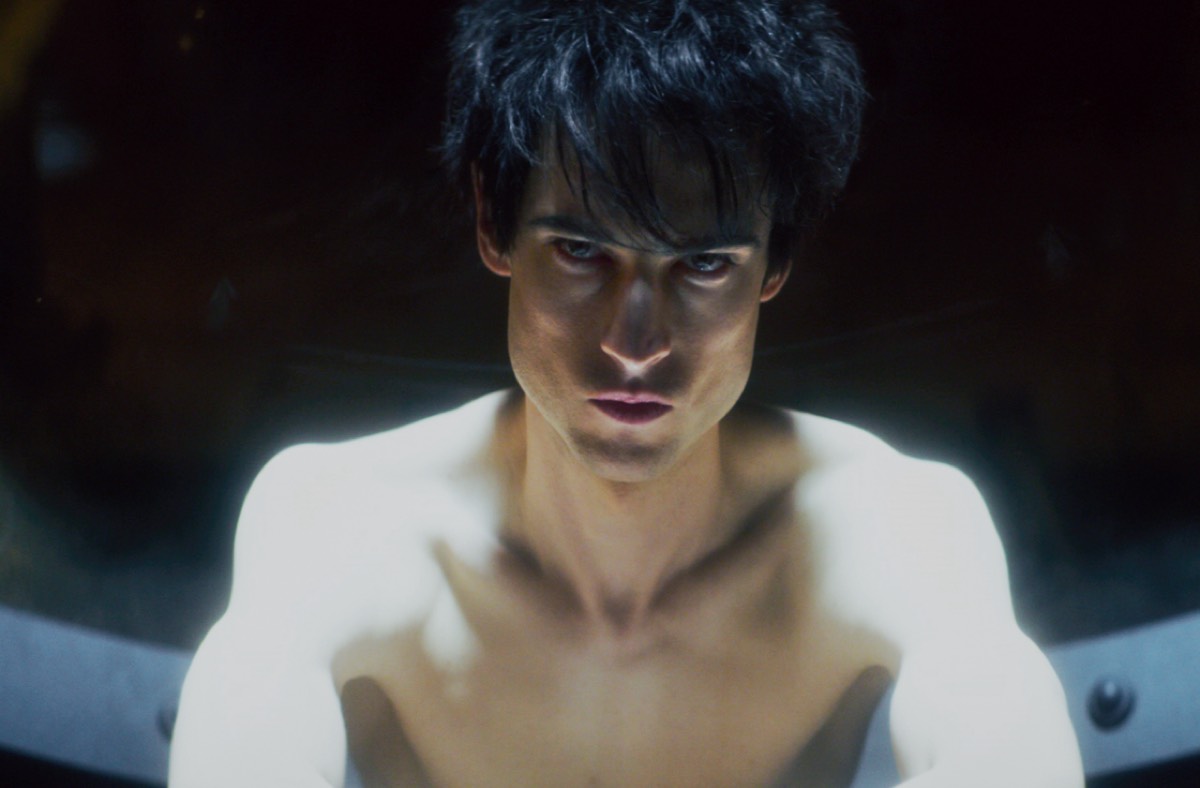
Dream is imprisoned for 106 years, finally breaking free in 2021. But the Dreaming has gone to ruin in his absence, and his totems of power—his helm, his pouch of sand, and his ruby—were stolen. He must recover the totems and begin to restore the Dreaming, which includes tracking down the Corinthian and other escaped dreams and nightmares. He must also deal with the emergence of a Vortex—a human with the ability to walk through the dreams of others, weakening the barrier between the waking world and the Dreaming and capable of destroying them entirely.

Dream refuses to speak, much less give Sir Roderick what he wants.
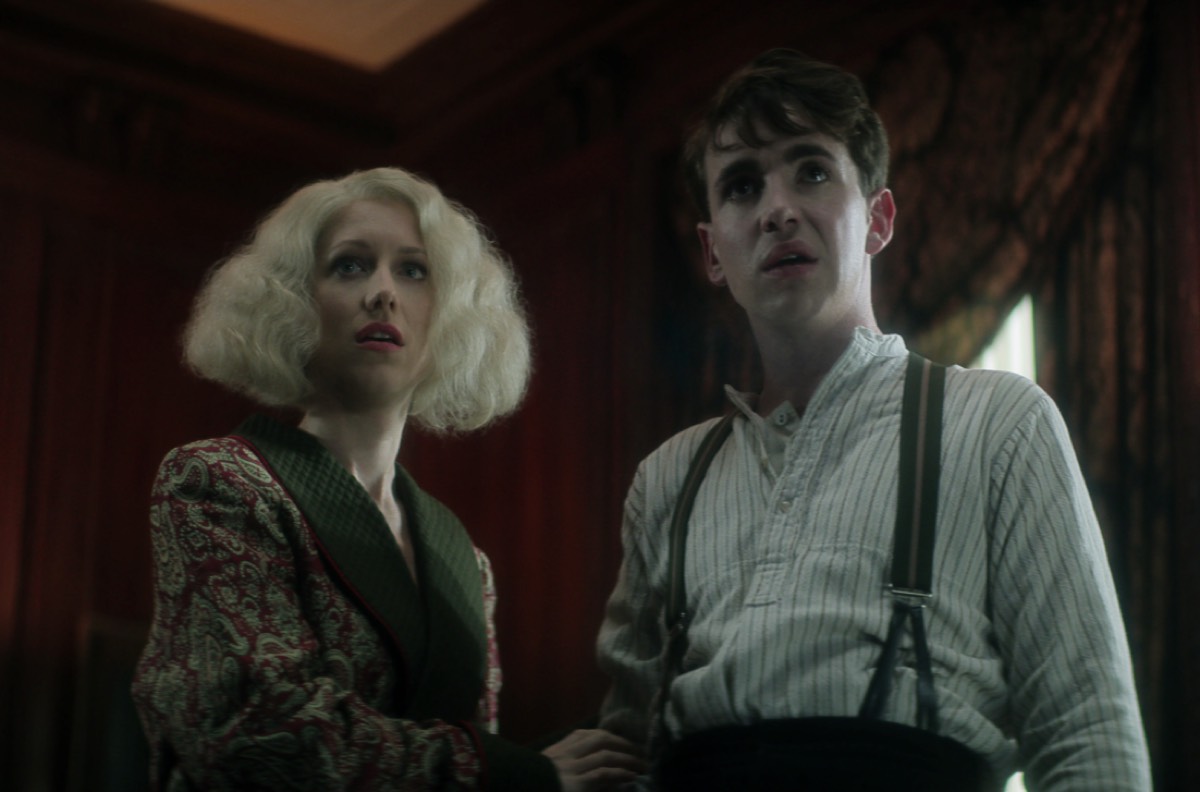
An older Alex (Laurie Kynaston) and Ethel Cripps (Niamh Walsh), Sir Roderick’s mistress and future mother of John Dee.

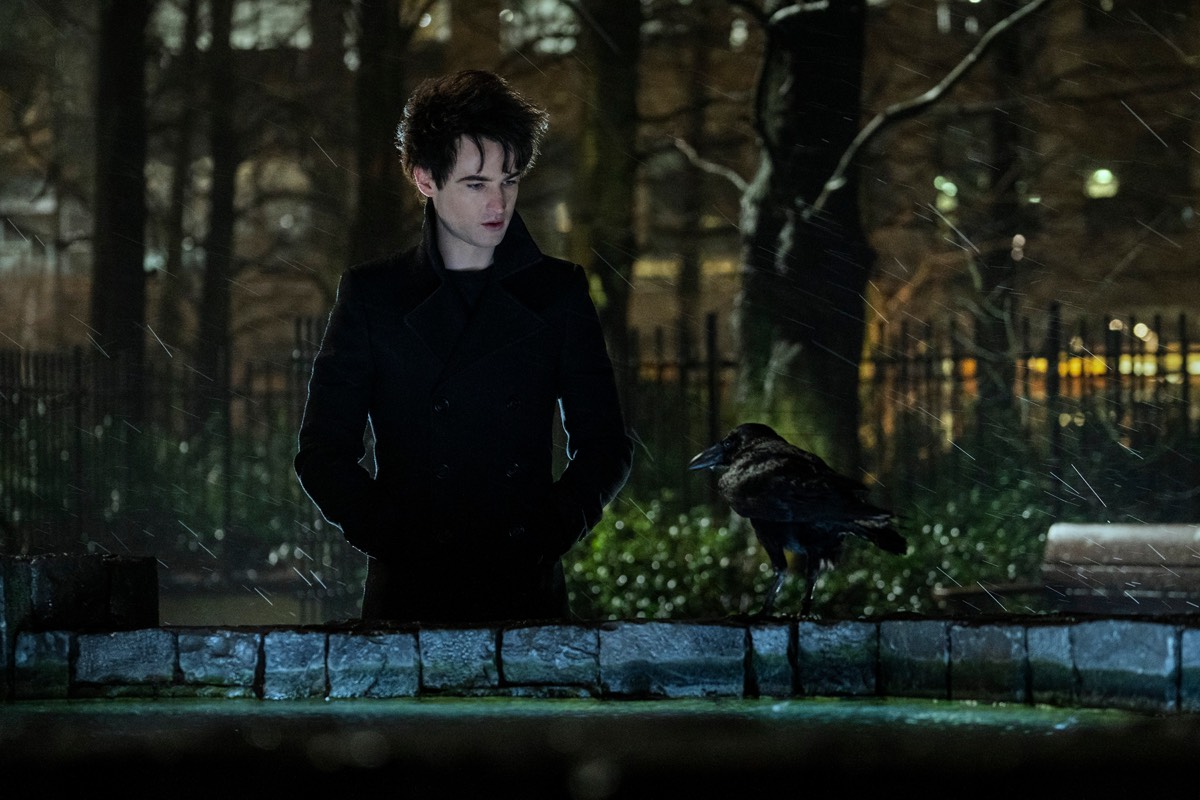
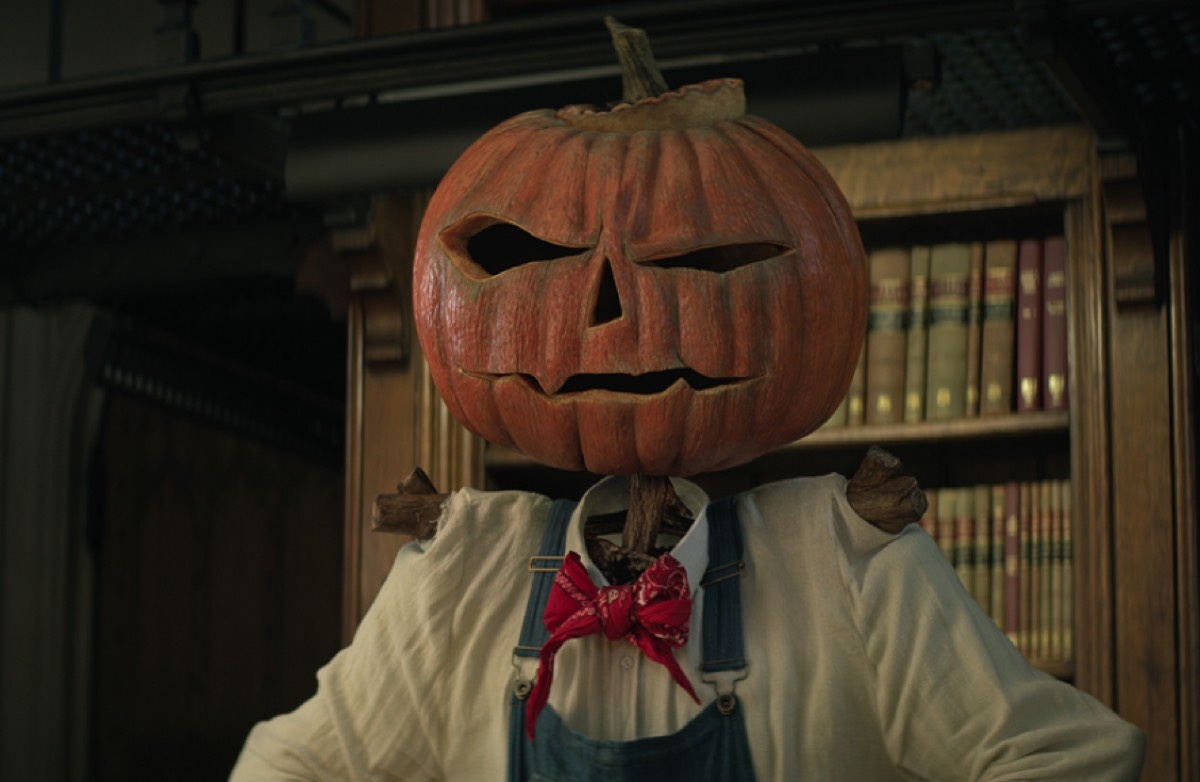
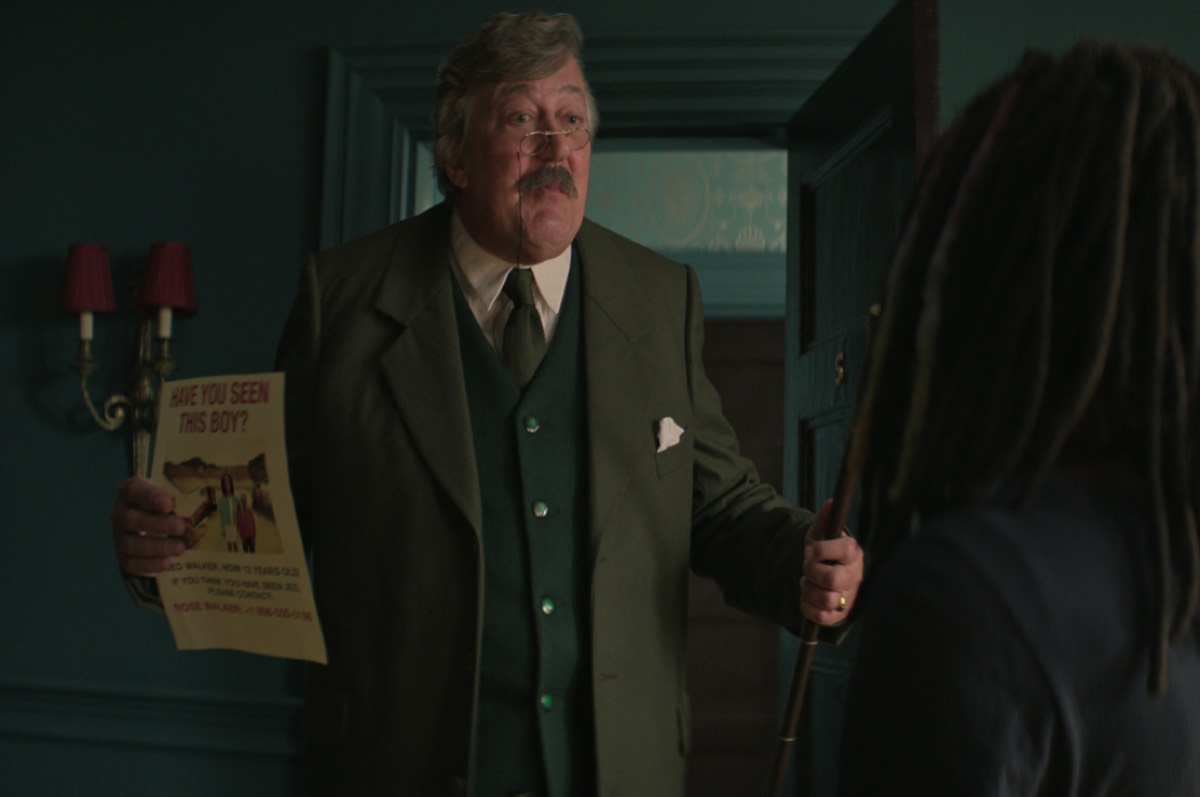
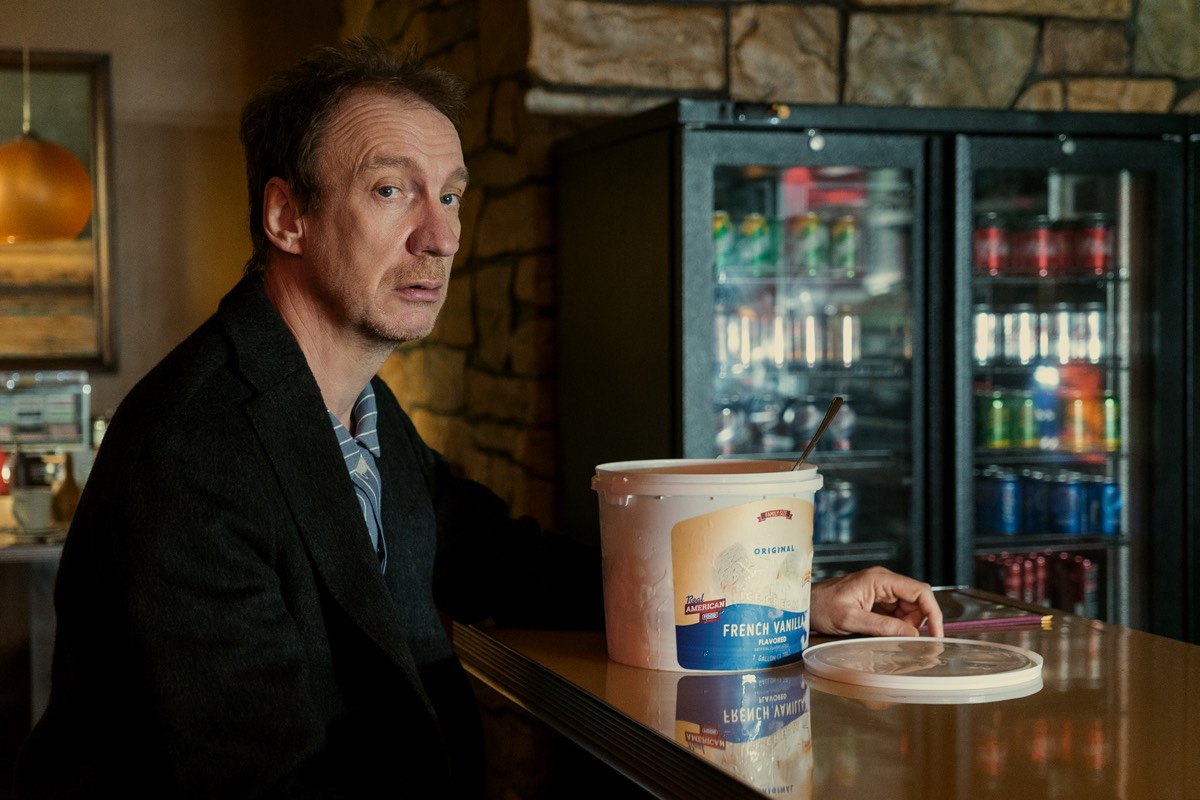
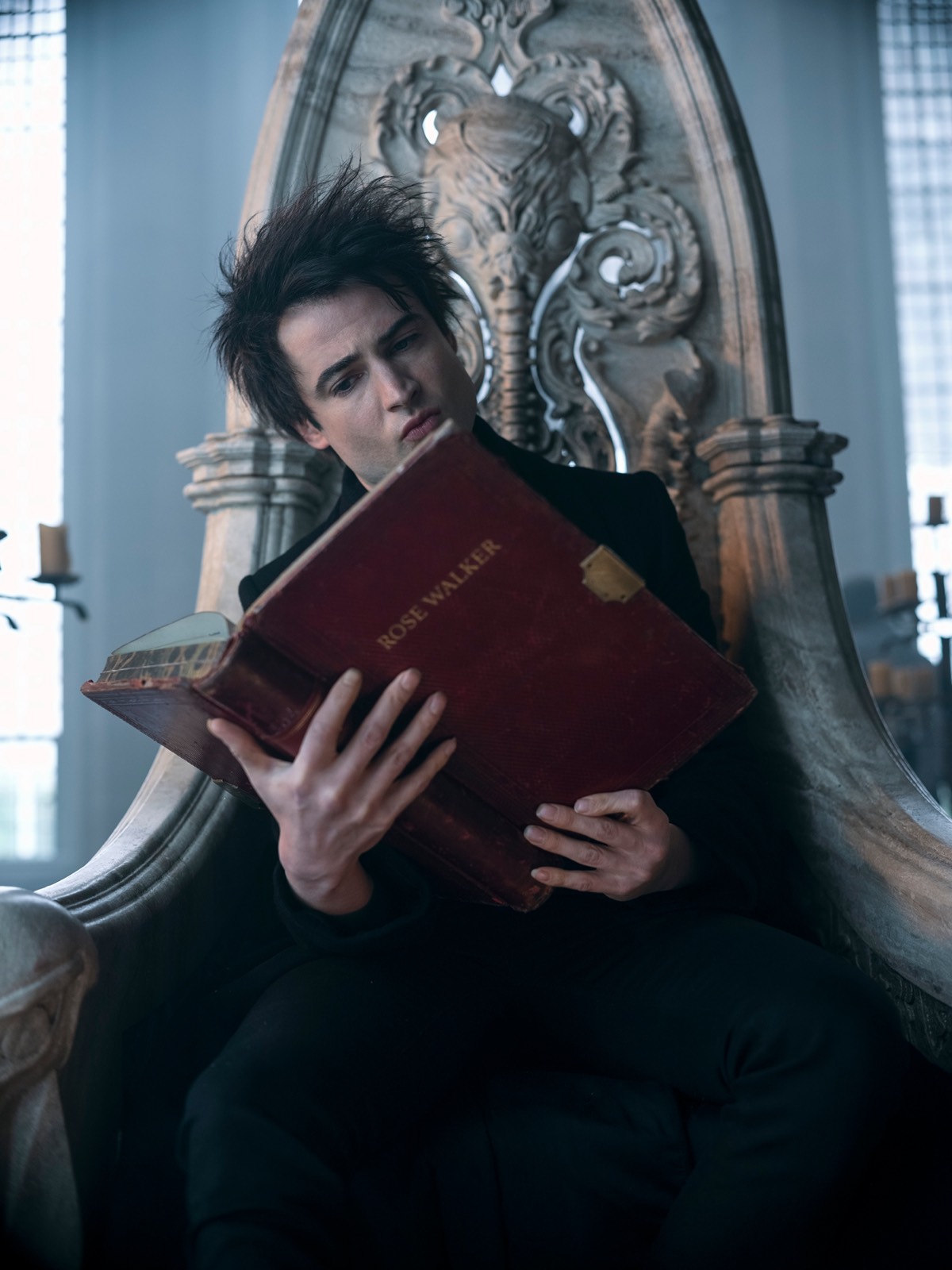
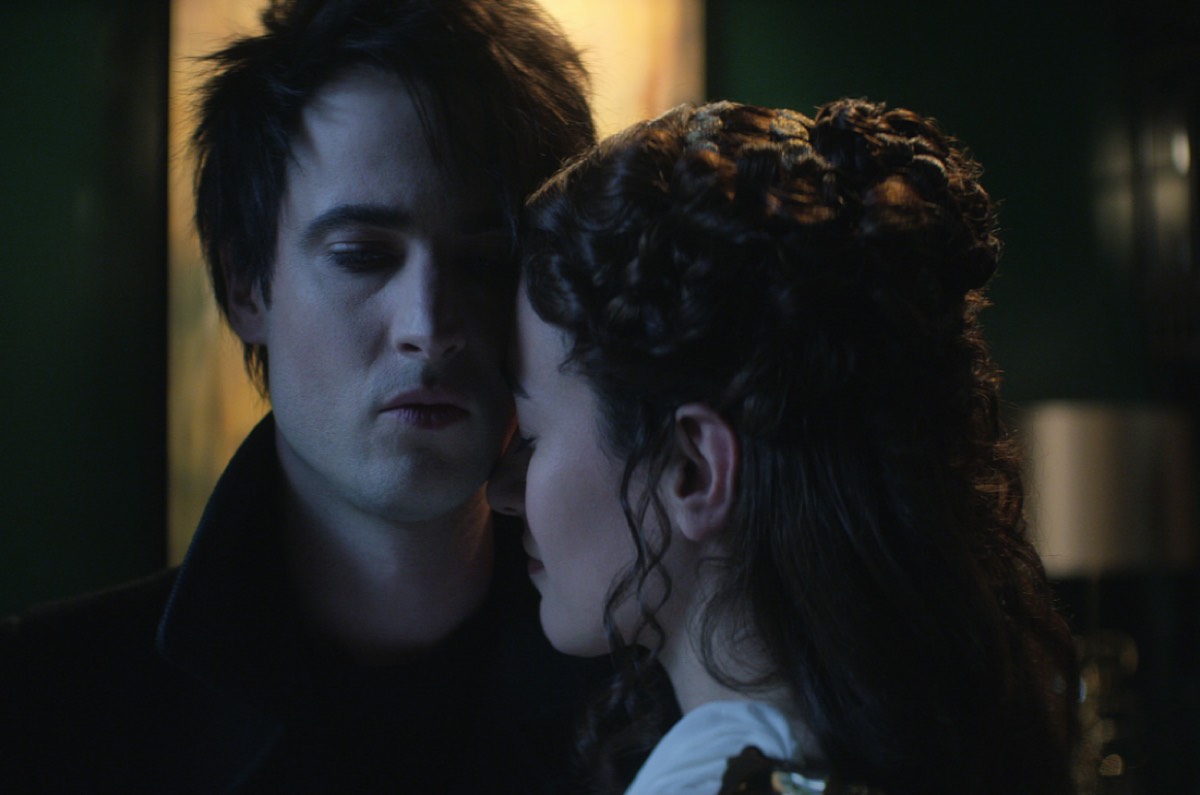
There is so much to love about this adaptation, but let’s start with the brilliant casting, featuring major names like Dance, David Thewlis (John Dee), Stephen Fry (Gilbert/Fiddler’s Green), Patton Oswalt (voicing the raven Matthew), Mark Hamill (voicing Mervyn Pumpkinhead), and Derek Jacobi (Erasmus Fry). With his lean build, razor-sharp cheekbones, and deep voice, Tom Sturridge makes a compelling Morpheus, even when Dream is being overly proud or petty or downright cruel early on—flaws that are central to the personal growth of the character over the course of the story. He’s not just a pretty emo-boy, and that’s very much due to Sturridge’s performance.
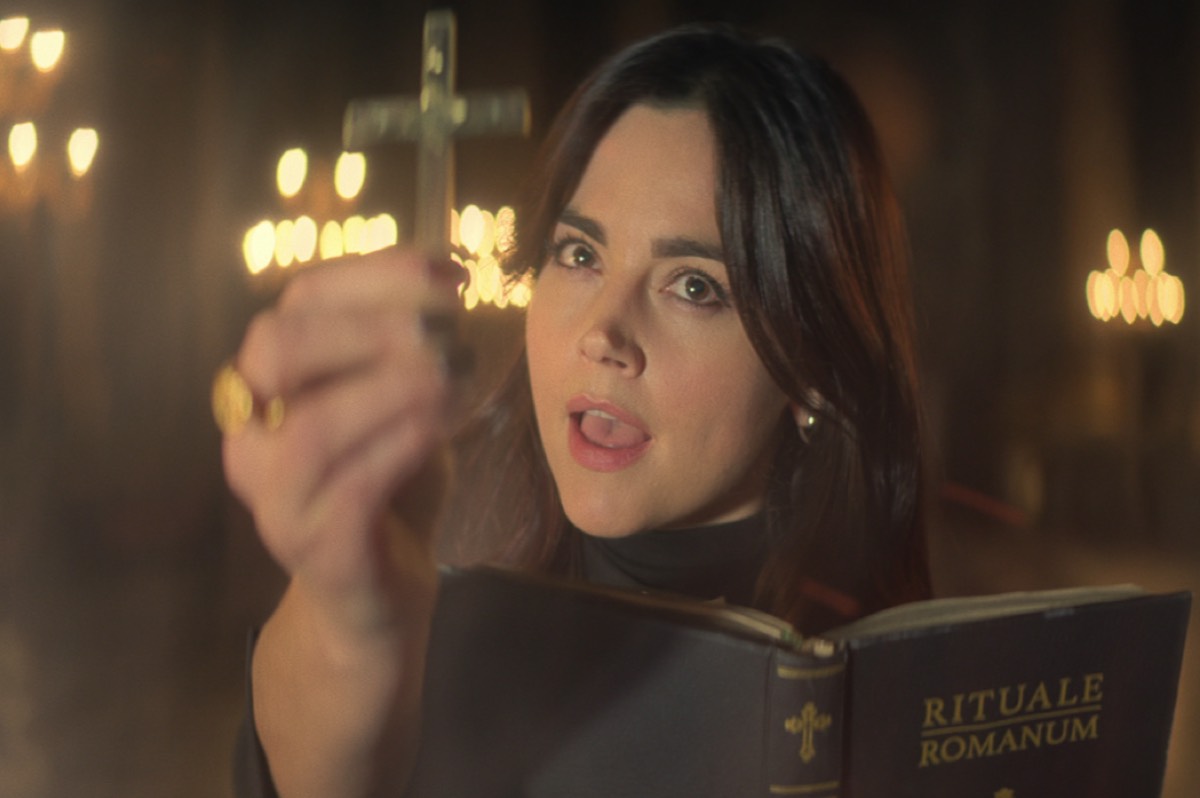
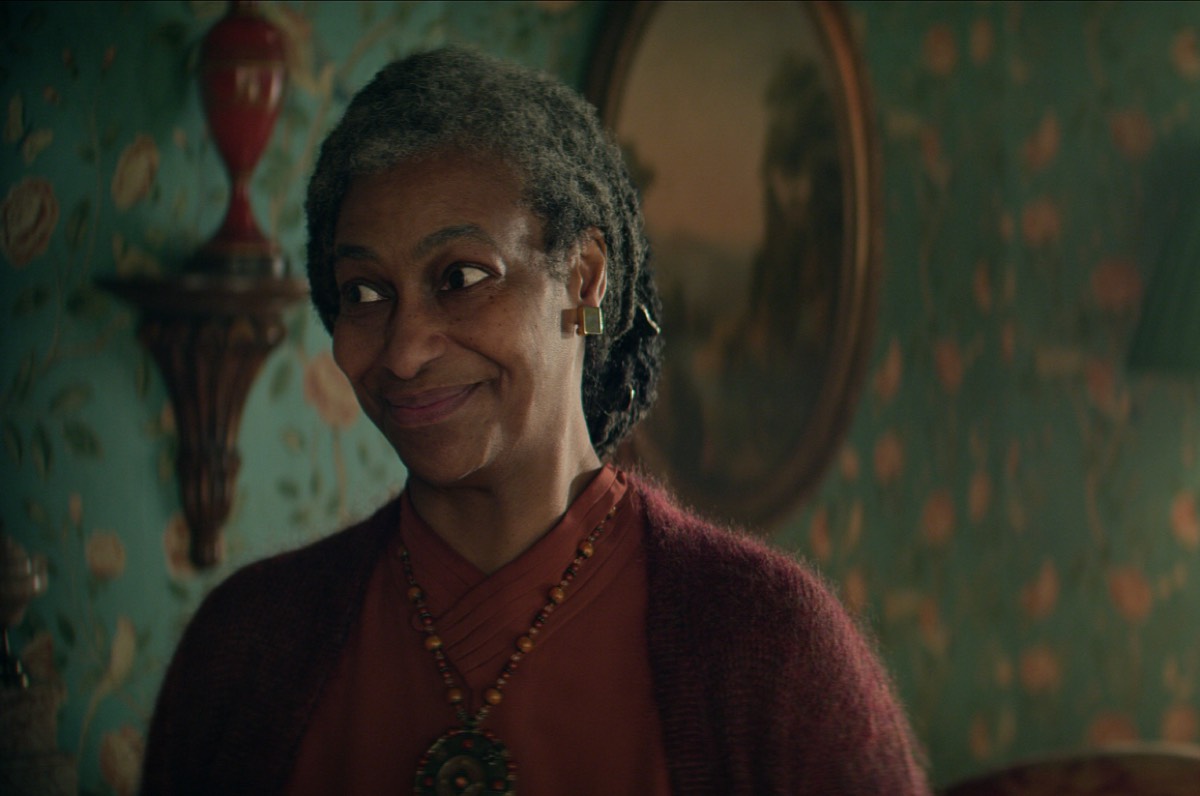
Everyone in the cast brings something special to their respective roles, big or small. Granted, there were some vociferous howls of protest when a few of the casting announcements were made, mostly centered on the gender- and racial-swapping of key roles like Lucifer (Gwendolyn Christie), Lucienne (Vivienne Acheampong), Desire (Mason Alexander Park), Rose Walker (Kyo Ra), Unity Kinkaid (Sandra James-Young), Death (Kirby Howell-Baptiste), and John Constantine, who is now Johanna Constantine (Jenna Coleman). One critic even went so far as to label it “stunt casting.”

Gaiman has ably defended those casting choices, particularly Howell-Baptiste’s Death. One Twitter troll insisted the casting was “as bad as a Black King Arthur” or making Dream “a Black dude.” One can only assume these people are not nearly as well versed in the source material as they claim because, of course, there is a Black incarnation (or aspect) of Dream in the graphic novels. It’s how the African Queen Nada sees him, and how we see him through her eyes in the series when they briefly encounter each other in Hell.

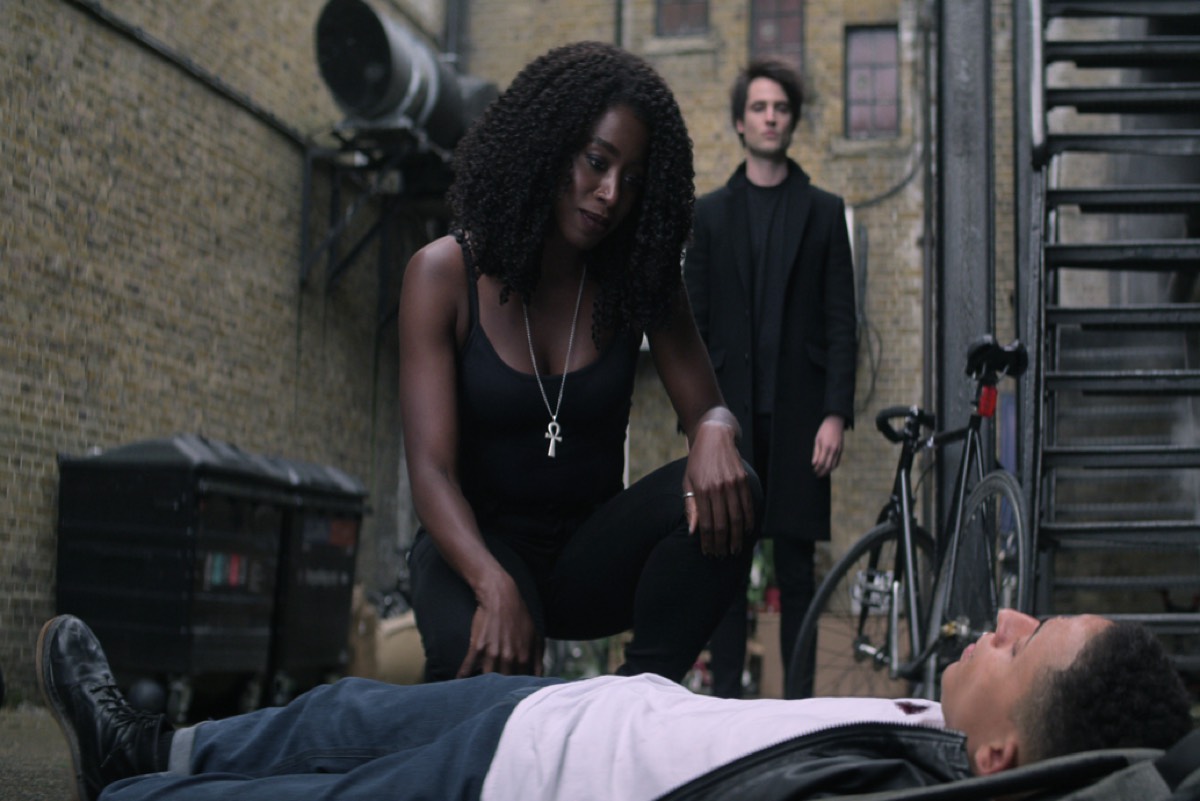
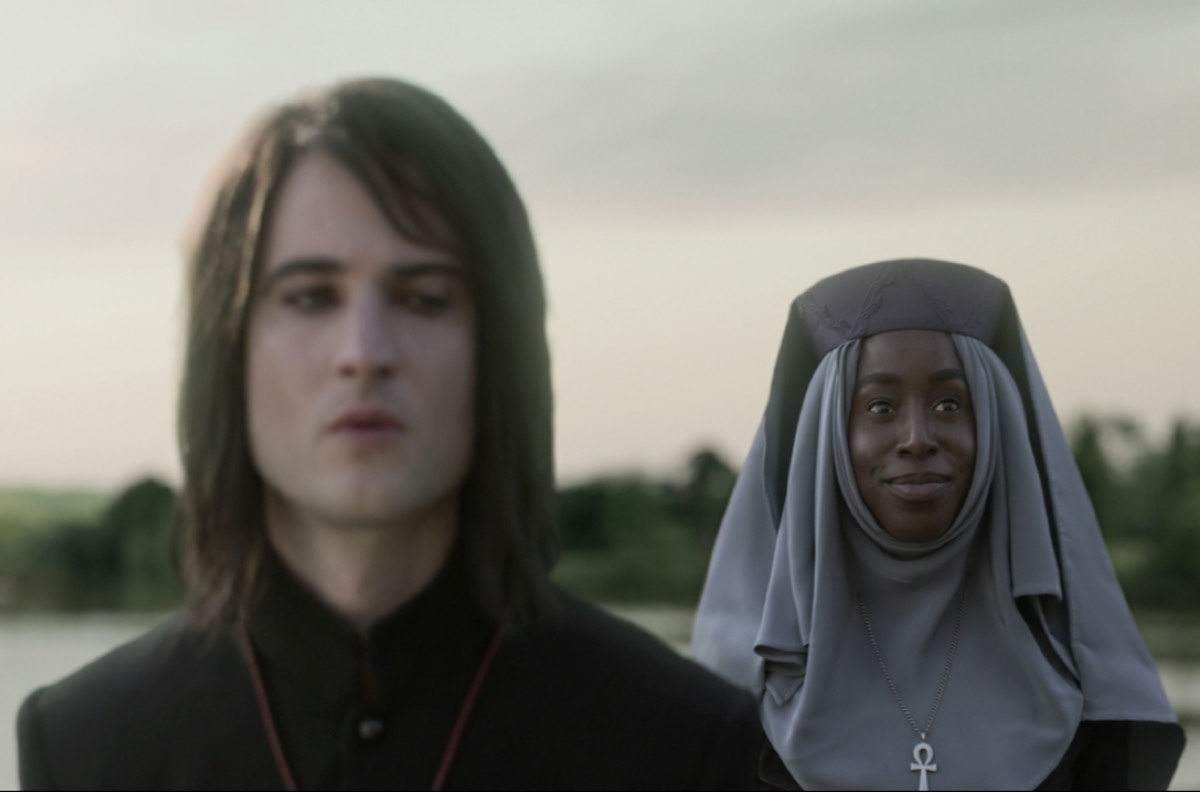
I loved the graphic novel’s Goth Girl incarnation of Death as much as anyone—it was my go-to Halloween look in my youth. But maybe, just maybe, Howell-Baptiste actually earned the role based on a killer audition. Her performance in the series is quite simply extraordinary, even though she only appears in a single episode (“The Sound of Her Wings”). Howell-Baptiste captures the warmth, empathy, and compassion that are so central to the character, as well as her genuinely perky good humor and love for her broody sibling.

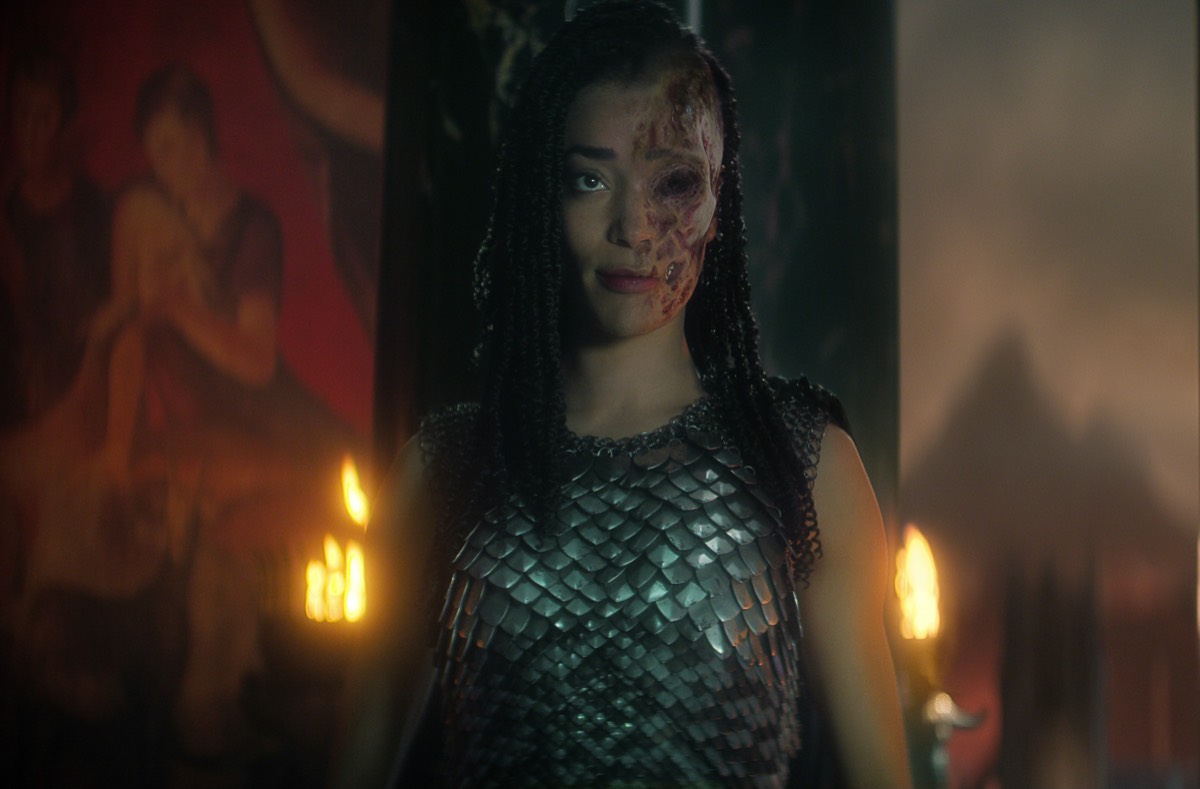
Lucifer’s ally Mazikeem of the Lilim (Cassie Clare)
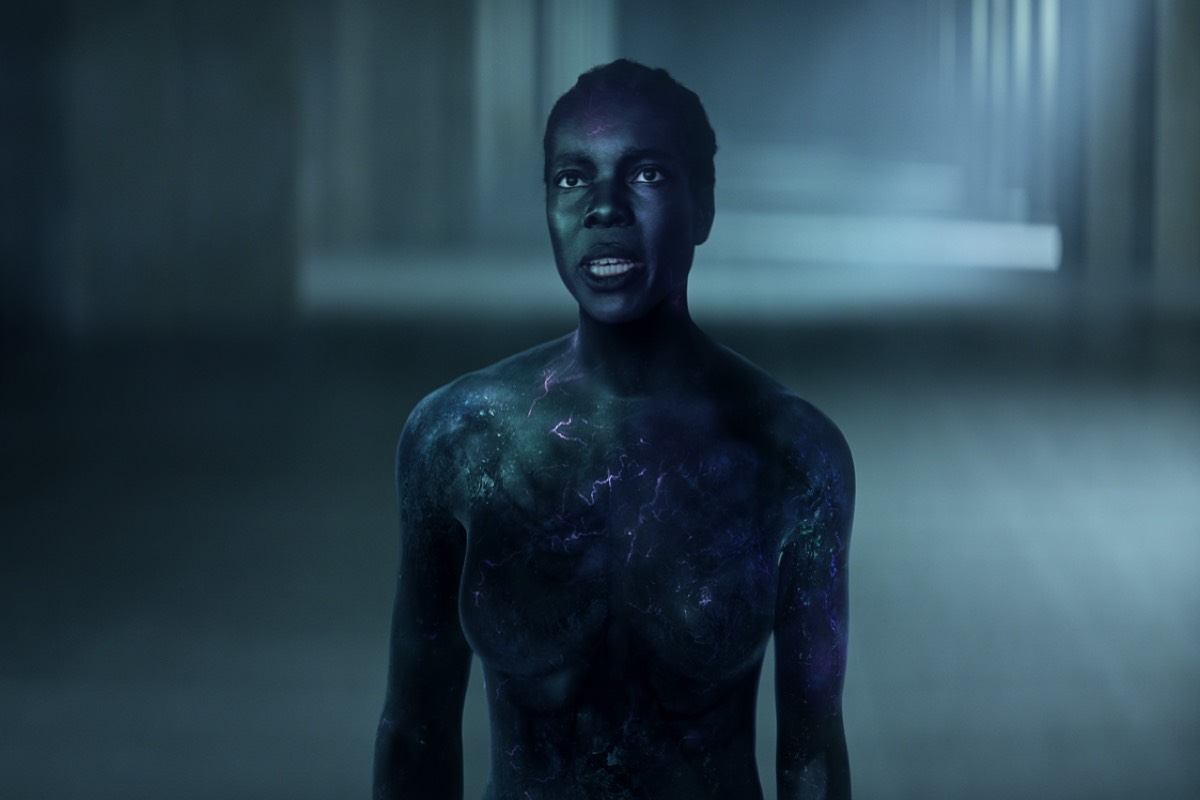
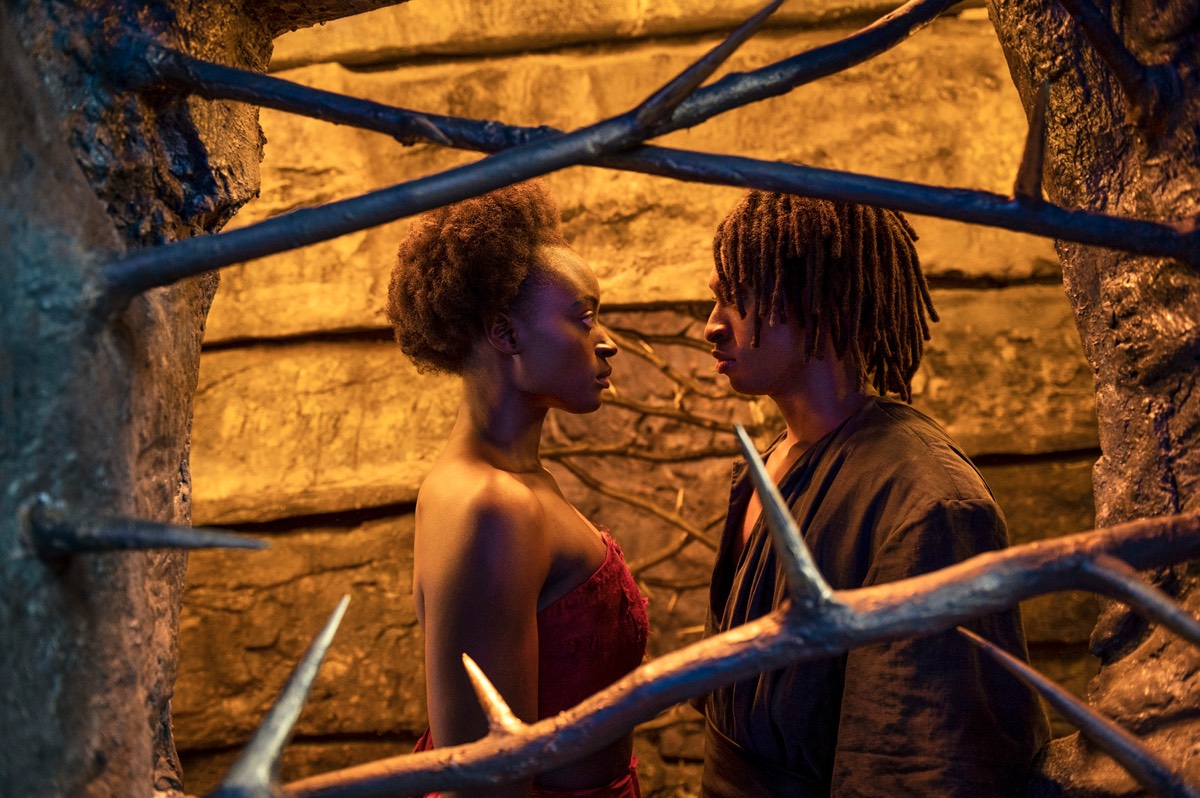
Nada (Deborah Oyelade) is a prehistoric African queen whom Dream sent to Hell. Ernest Kingsley Jr. plays Kai’ckul, an aspect of Dream from Nada’s perspective.
But she also brings a few new elements, thanks to a fleshed-out script that draws from a Death-centric short story called “Winter’s Tale.” Plus, she rocks the classic all-black Death ensemble, complete with Egyptian ankh. Howell-Baptiste has taken an iconic character and made it fully her own. One can love the graphic novel Death and the Netflix Death equally, as different aspects of the same Endless personification. I’d be happy to encounter either one of them when my time finally comes.
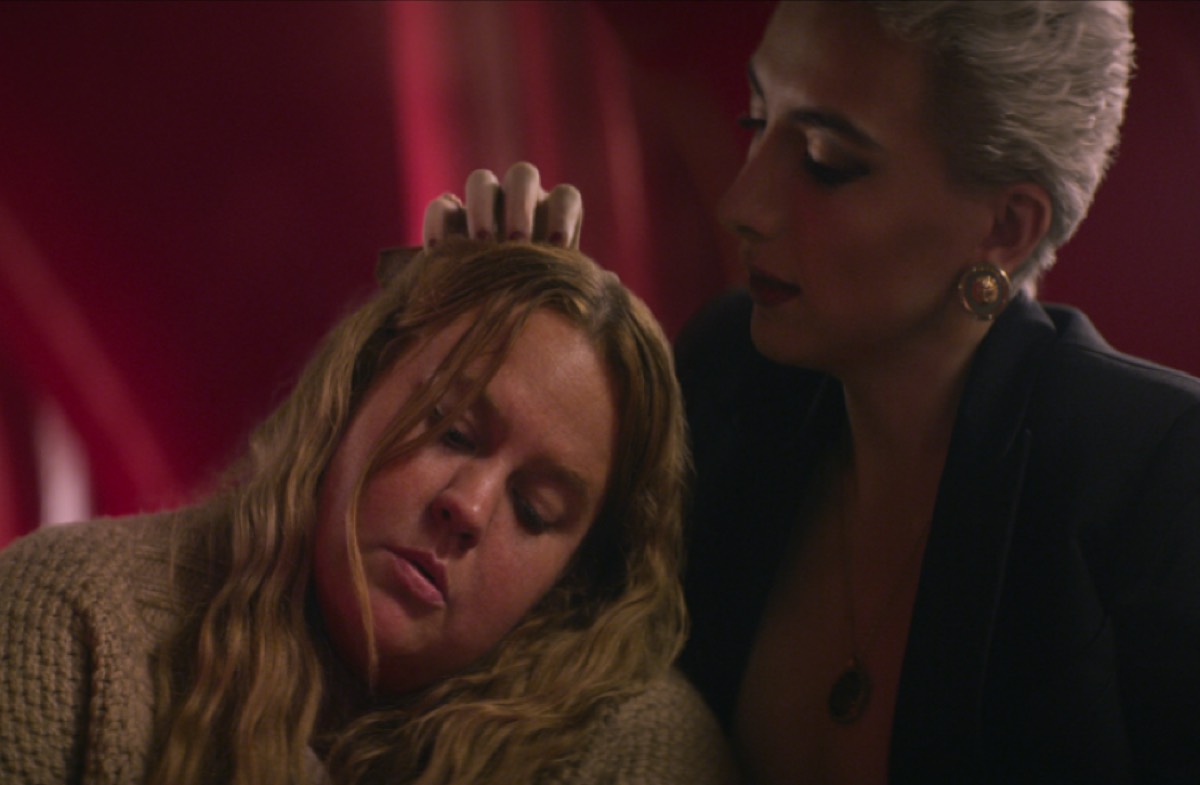
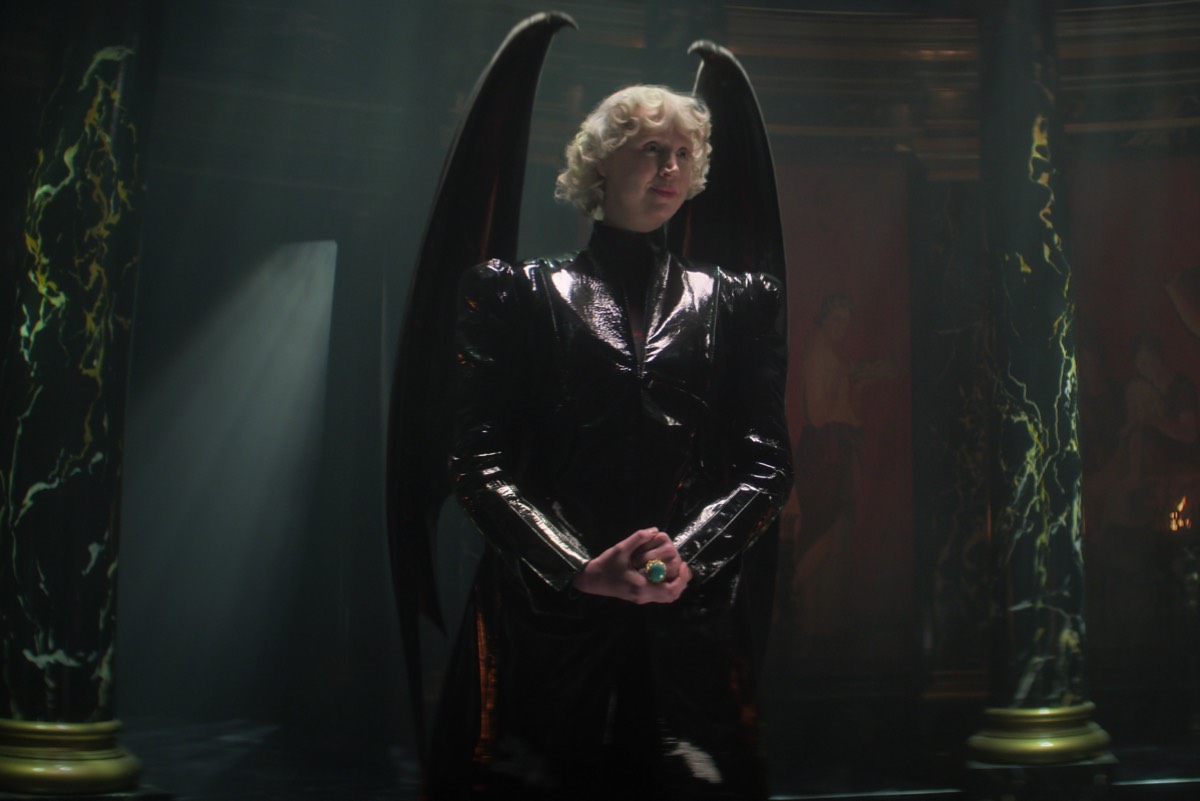
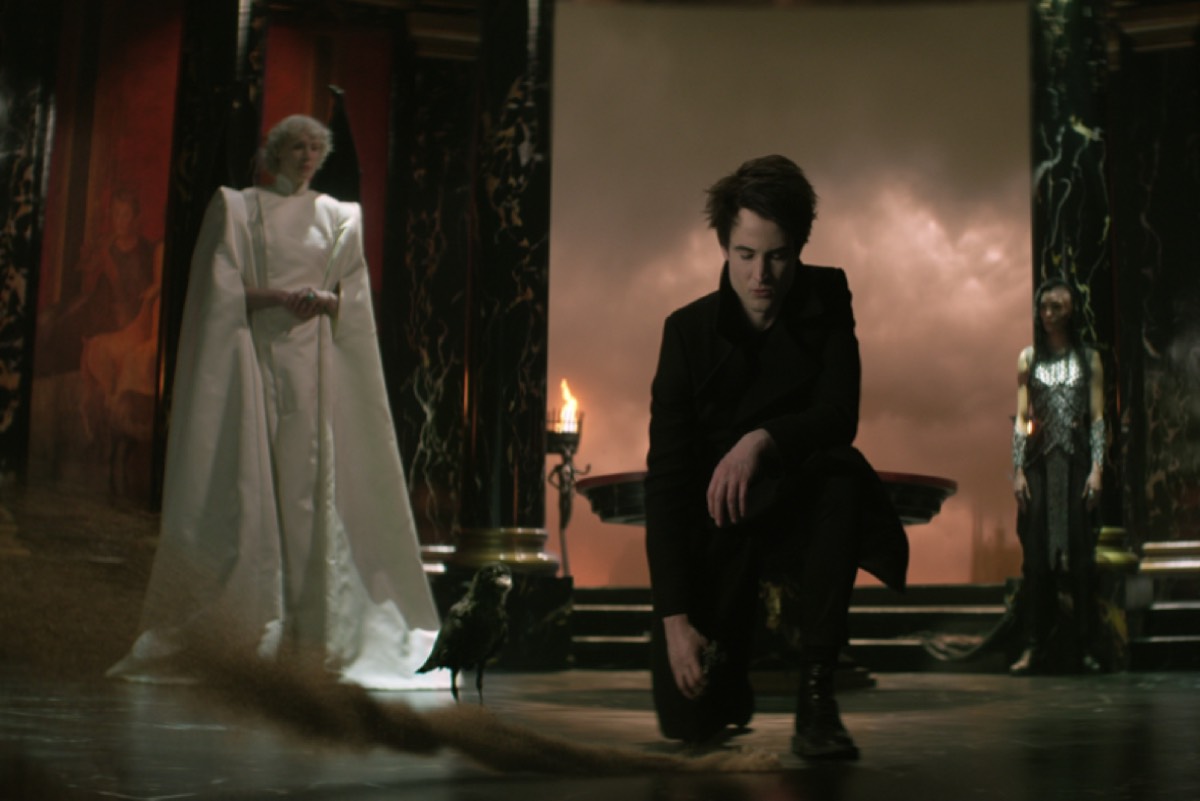
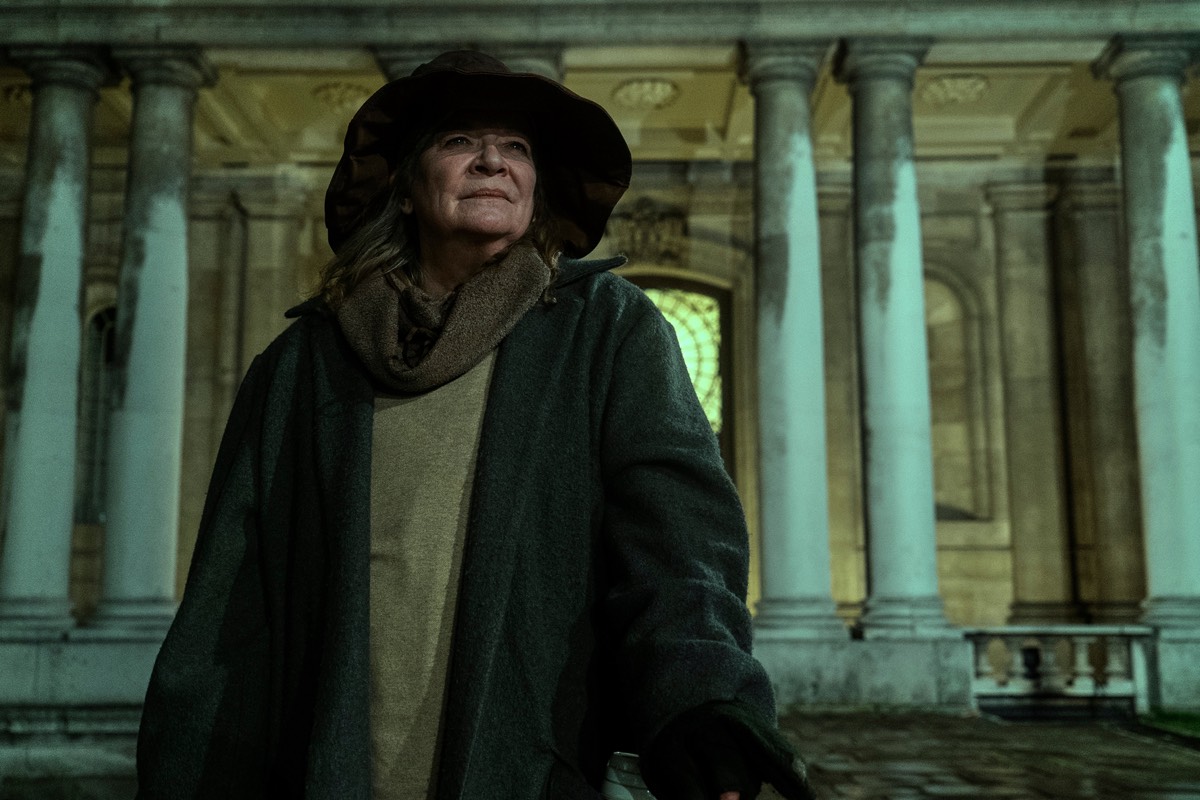
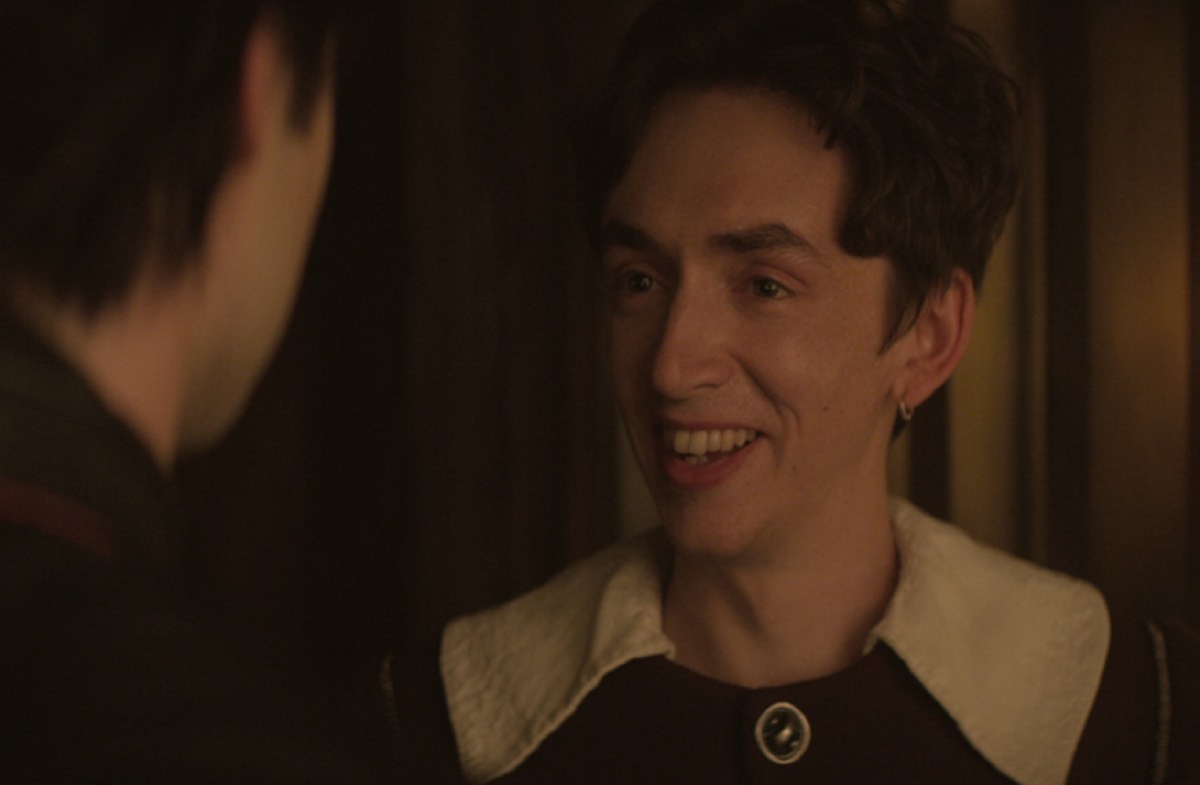
Similarly, Desire has always shifted between male and female, mostly sporting an androgynous look in the graphic novels, so the casting of the nonbinary Park in the role is perfect. As for Lucifer, most hardcore Sandman fans know the graphic novel version was basically inspired by David Bowie, and a few felt moved to point this out to defend their objection to Christie’s casting. “Dude. This is going to hurt, but David Bowie’s dead,” Gaiman tweeted in response to one. “We knew he wasn’t available to play Lucifer any longer. That’s why we cast Gwendoline Christie.” Christie makes a majestic Lucifer, standing 7’5″ with her wings. The height difference between her and Sturridge is an effective visual reminder of the power imbalance he faces as they play “the oldest game.”

Gaiman has been heavily involved as an executive producer with this Netflix adaptation, and it shows. While the series hews fairly close to the basic narrative and themes, the graphic novels were written serially for the printed page. Adapting them for television naturally required some reshuffling and other minor adjustments. For instance, the Netflix series is set in 2021, not 1989, so Dream is imprisoned for much longer, making Unity Kinkaid Rose Walker’s great-grandmother instead of her grandmother.

Other elements have been streamlined. Lucifer is the sole ruler of Hell rather than being part of a triumvirate with Beelzebub and Azazel, and references to the Justice League of America and a few other DC characters have been omitted. And the violence of the graphic novels has been scaled back a bit—not because the showrunners are particularly squeamish but because what works on the page can be a bit too visceral on the screen. There is still plenty of gruesomeness in the Corinthian storyline, for instance, but the camera shows just enough to suggest what’s coming next before cutting away, leaving the viewer’s imagination to do the rest.

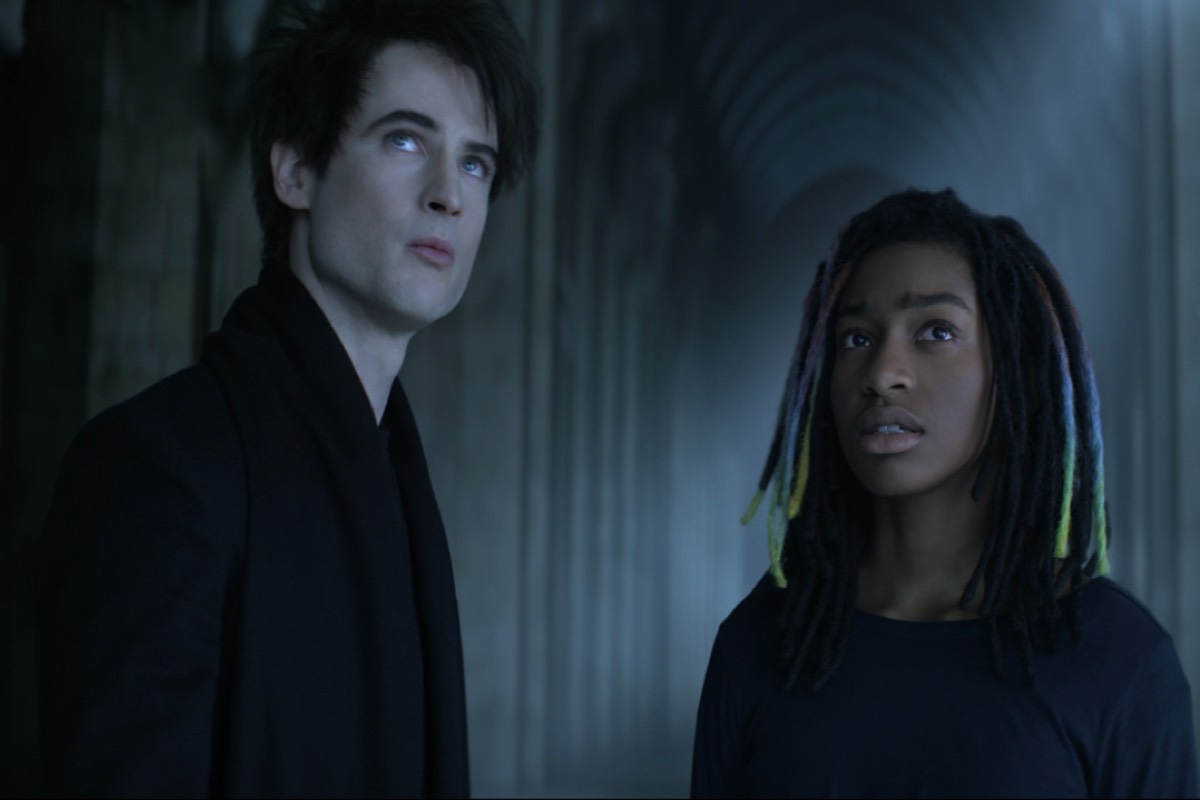
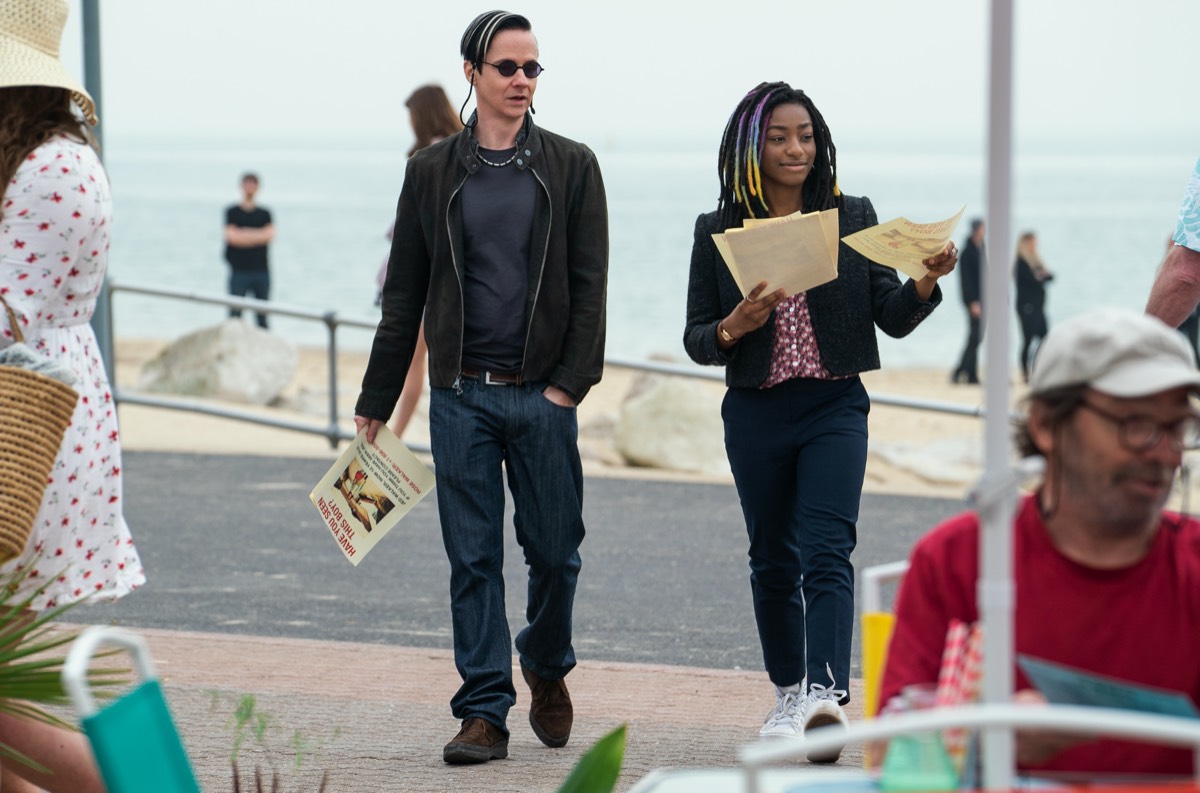
Rose (Kyo Ra) is a Vortex: a human able to walk through the dreams of others.
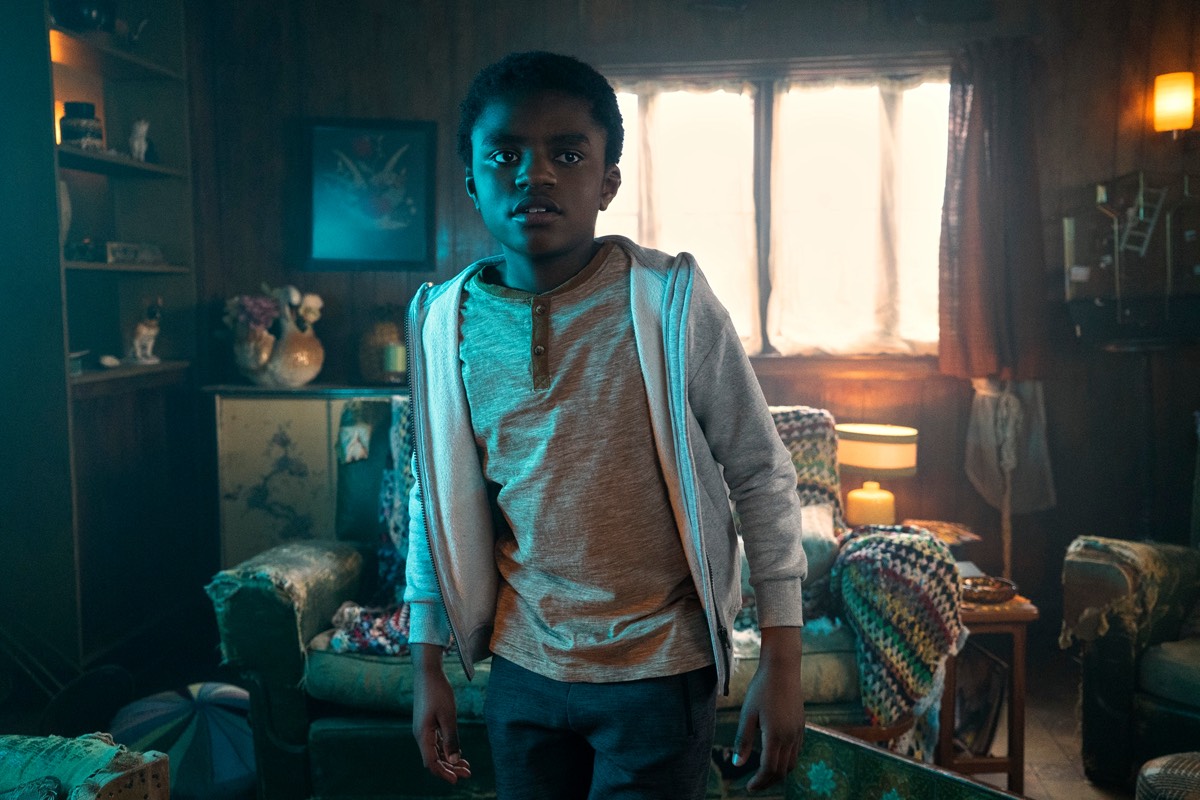
Rose just wants to find her missing brother Jed (Eddie Karanja)

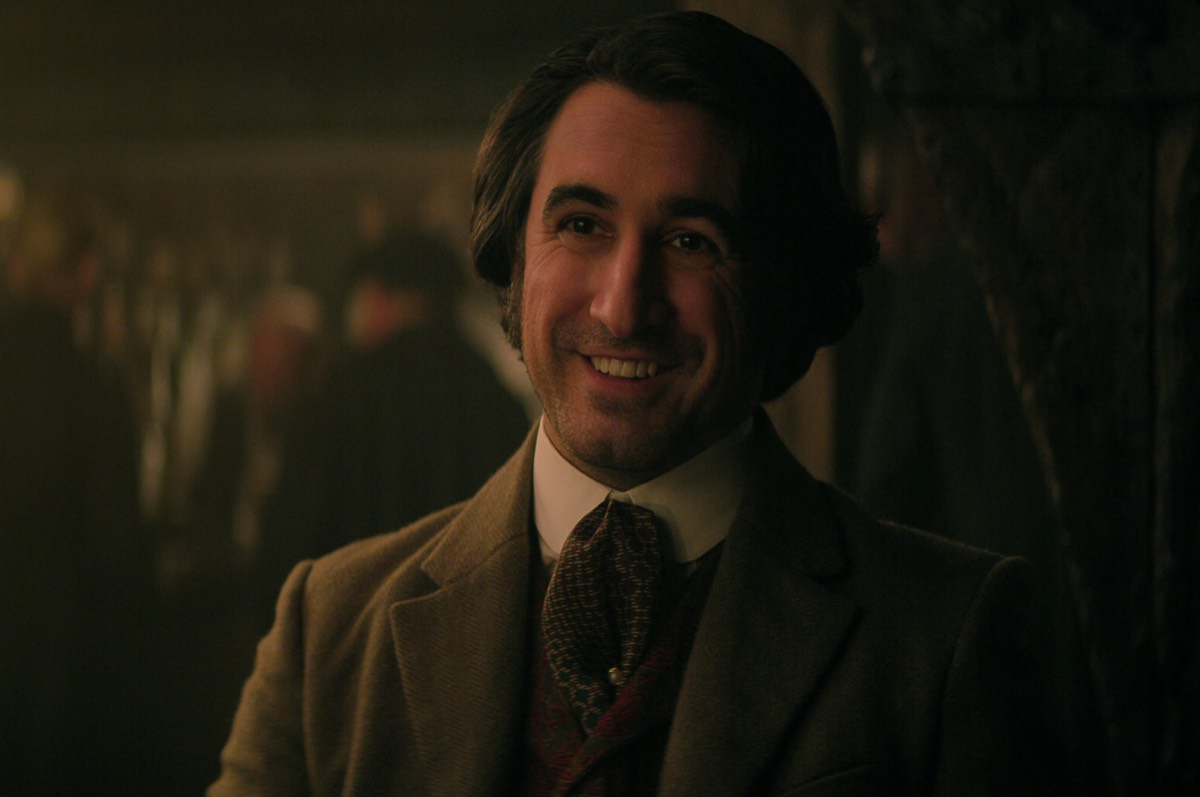
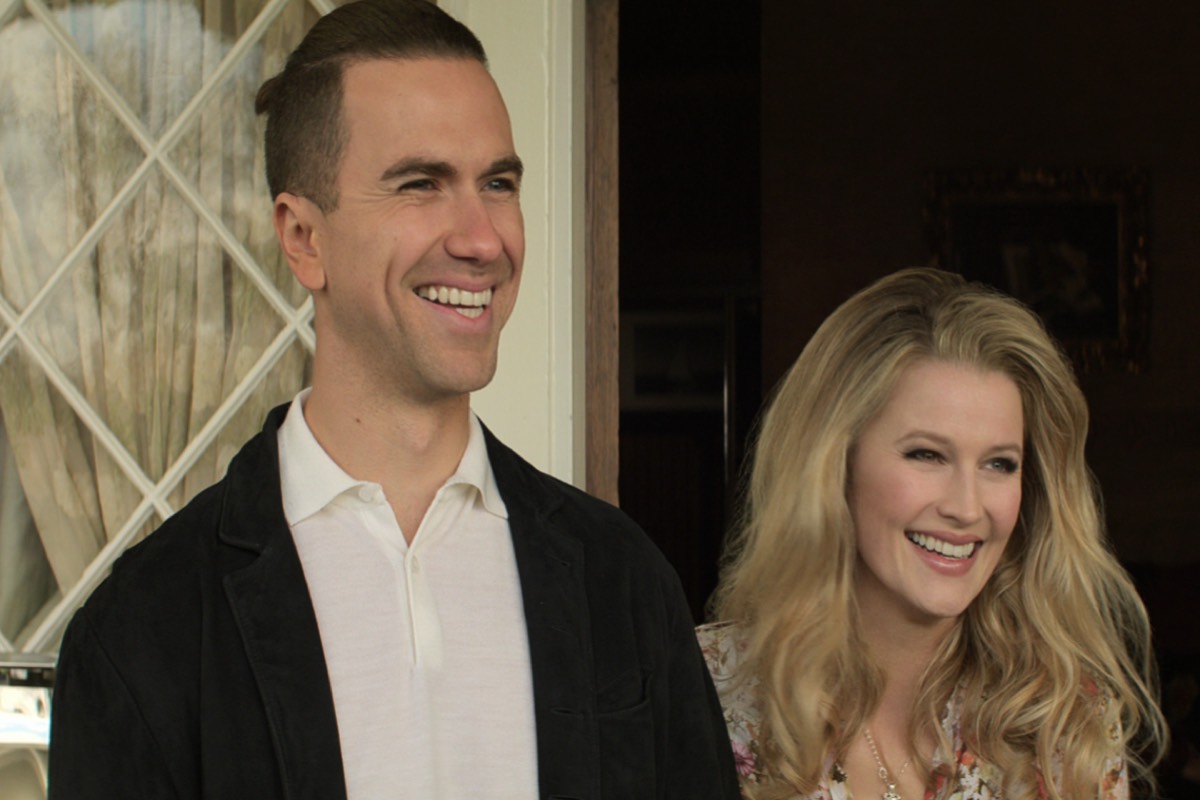
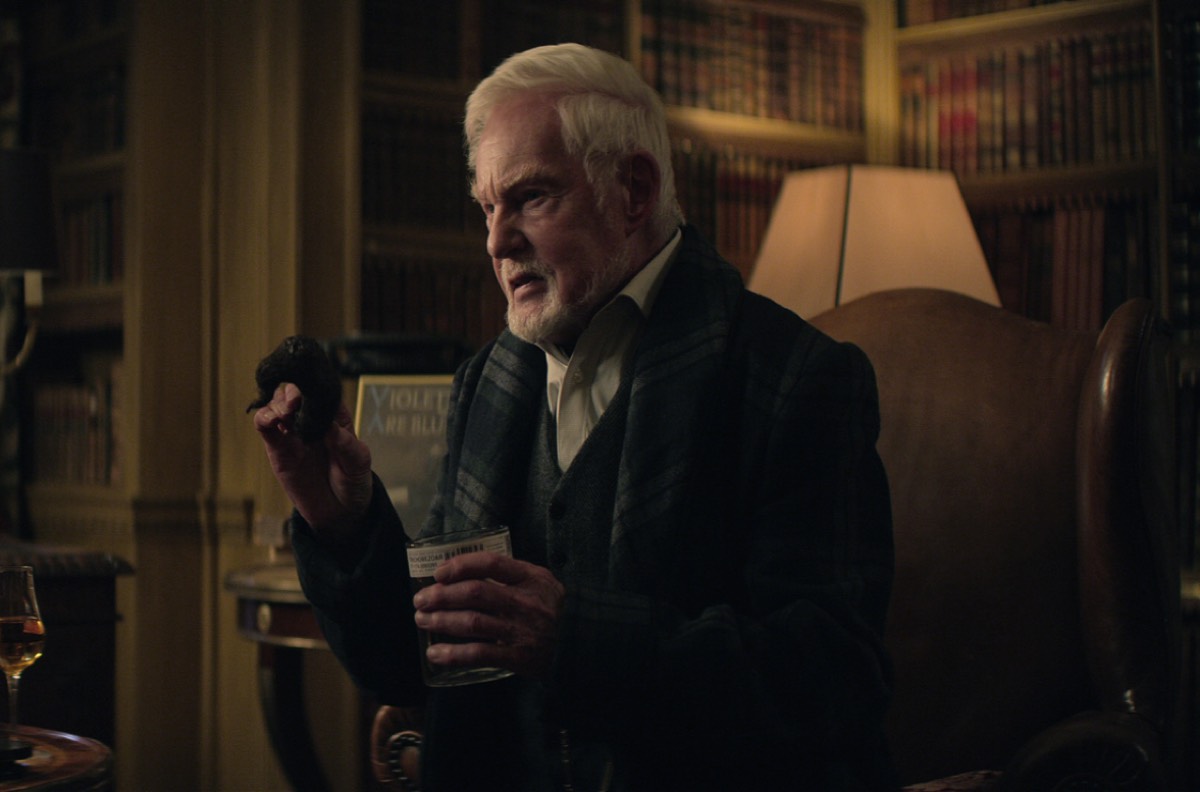
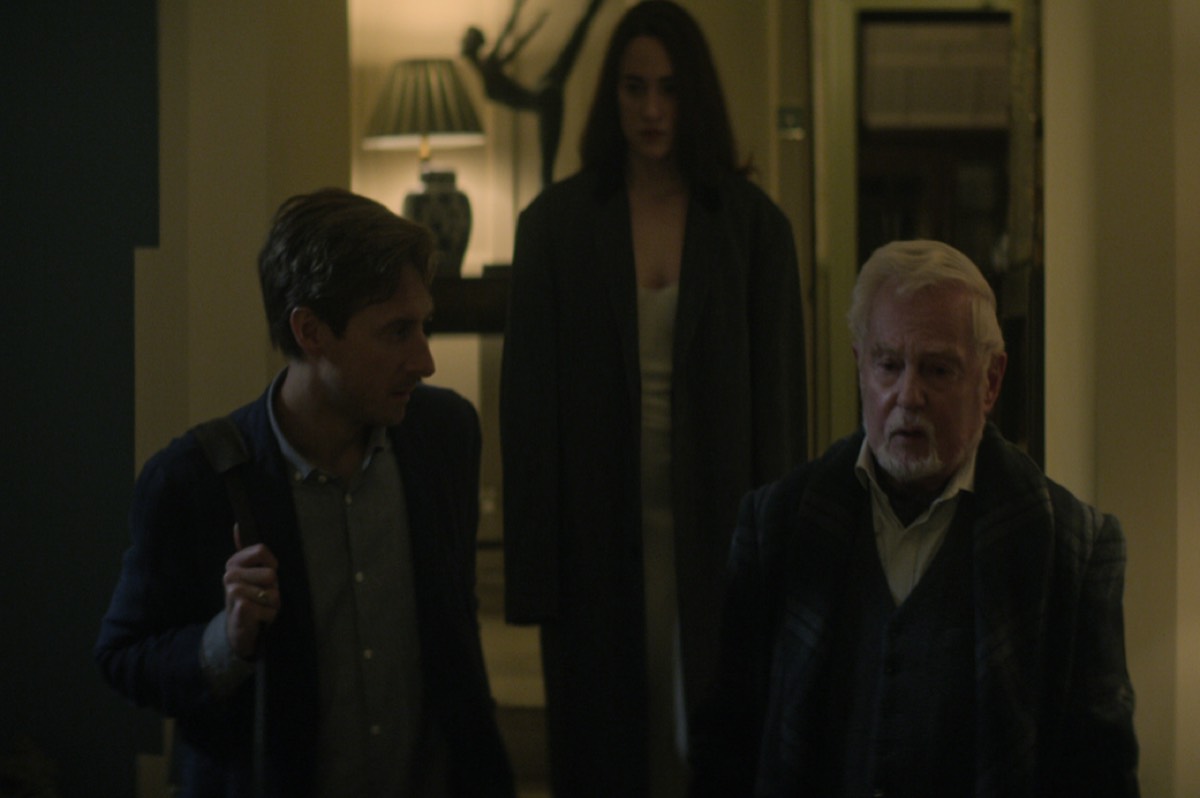
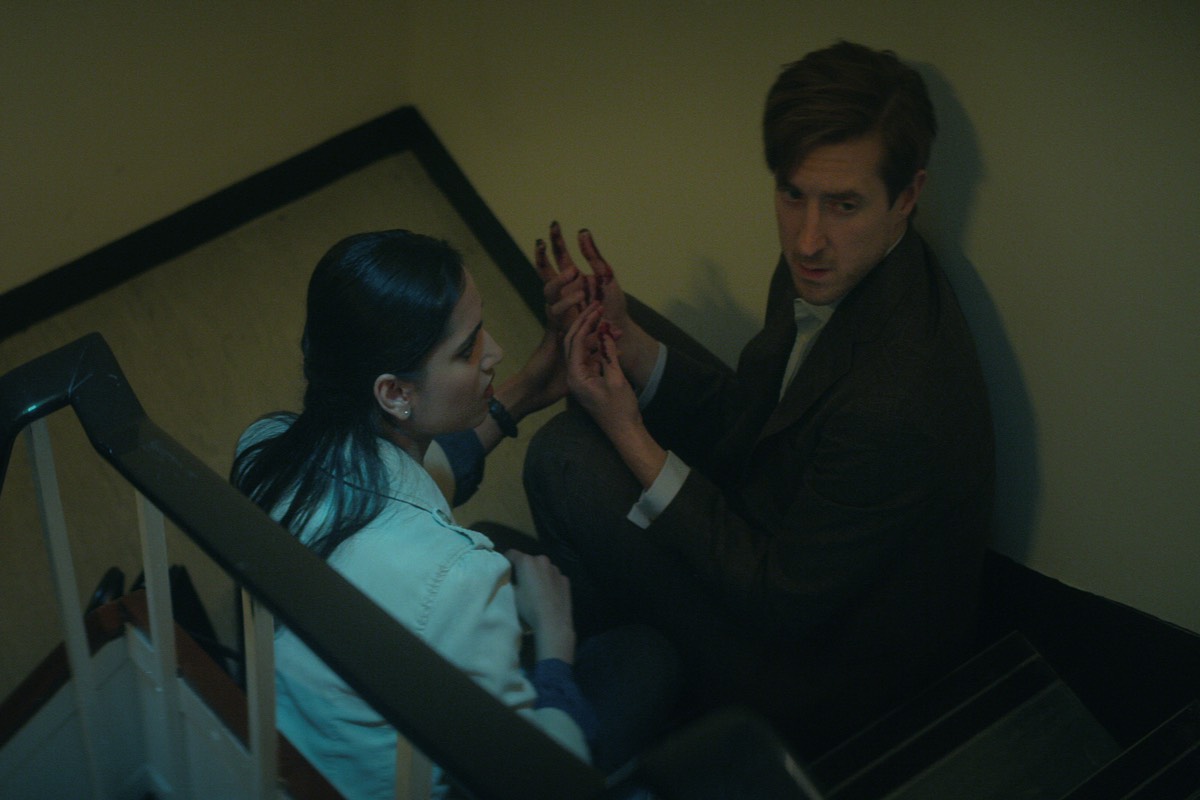
This restraint was especially appreciated in the bonus episode “Calliope,” wherein a struggling author named Richard Madoc (Arthur Darvill) inherits the Greek muse from an aging writer, Erasmus Fry (Derek Jacobi), who has exploited her gifts for decades. In the original story, Calliope is brutally and repeatedly raped by the two writers to get their “inspiration.” That’s still the case in the series, but the rapes are implied rather than explicitly shown. Fry tells Madoc that traditionally one is supposed to woo the muse, but he’s found brute force works just as well.

Madoc initially has some misgivings about keeping Calliope captive, attempting the wooing approach with material gifts. She is unimpressed and refuses to comply unless he first sets her free. With the deadline for his second novel looming and bereft of ideas, Madoc inevitably resorts to force, like his predecessor—and anyone who has read the source material knows Morpheus (Calliope’s former husband) will make him pay dearly for that. Just to twist the knife, we see Madoc basking in literary glory and bragging—without an ounce of self-awareness—to an attractive young woman about how he considers himself a “feminist writer,” all while keeping a woman locked up against her will in his home.

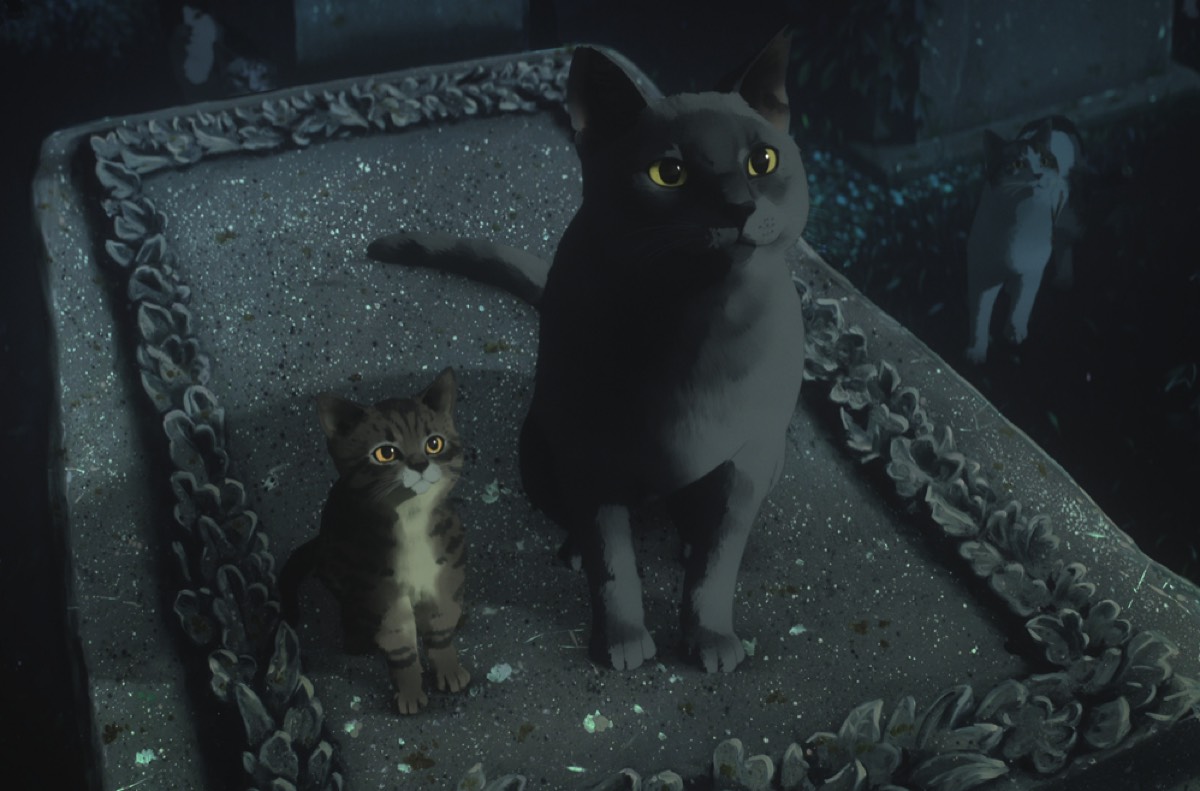
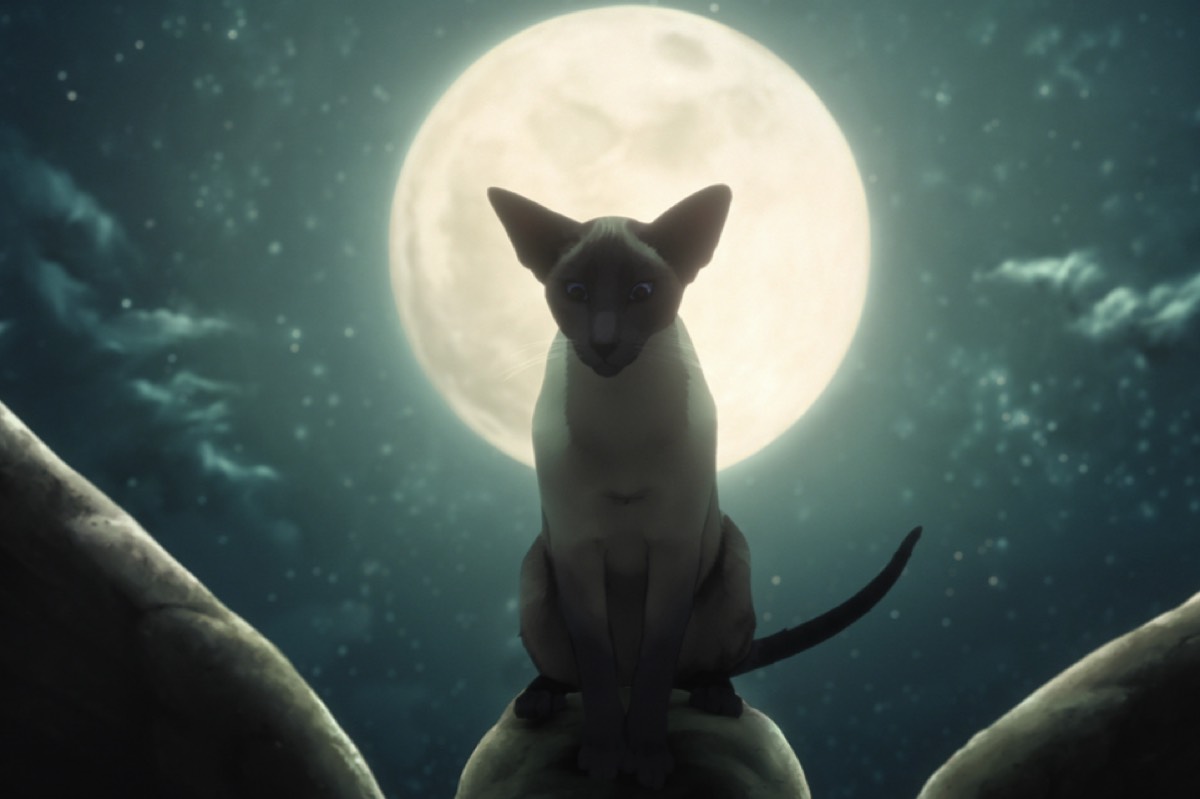
Along with “The Sound of Her Wings,” this is one of the strongest episodes of the season, as it deals with the nature of creativity and showcases yet again how much Morpheus has changed during his long imprisonment when he comes to Calliope’s aid despite their bitter breakup long ago. “Calliope” is one of four standalone stories contained in Dream Country, along with “Dream of a Thousand Cats,” which is the second bonus episode—done in animation (with an all-star voice cast). I’d wondered how the series would deal with those standalone stories, and the bonus episodes are a perfect solution.

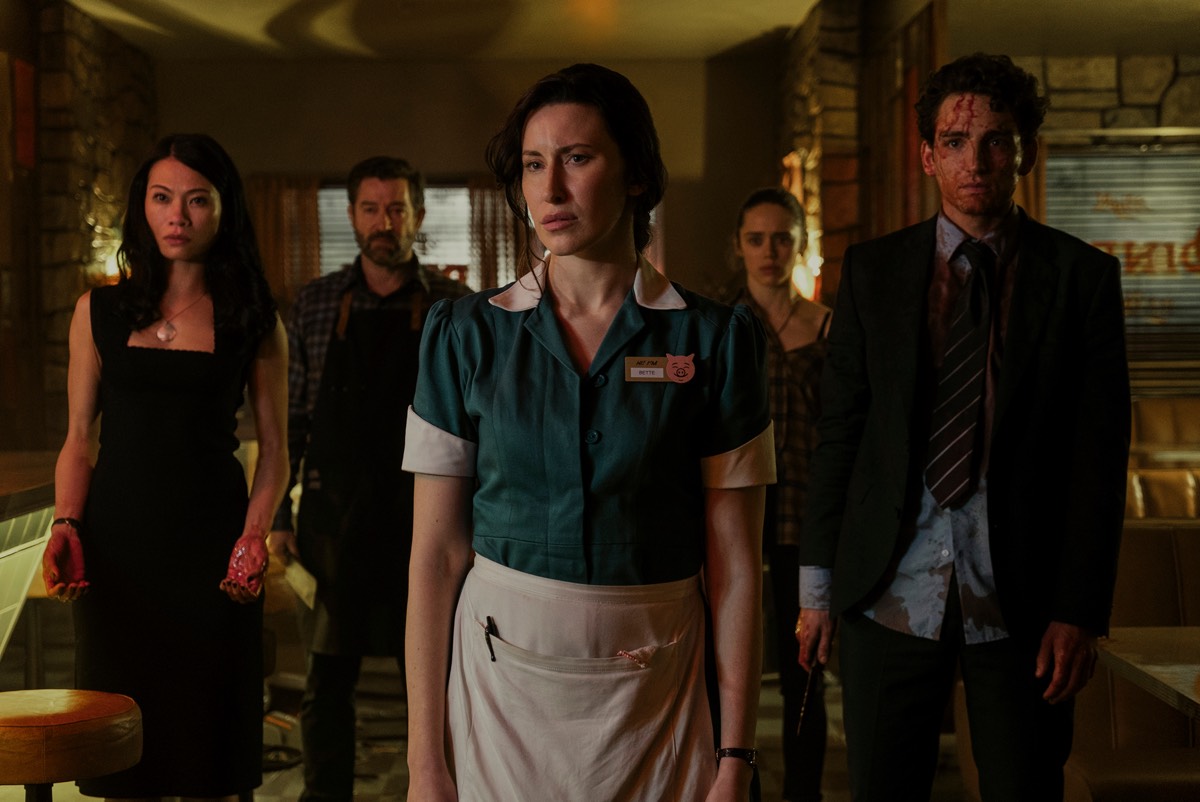
Above all, The Sandman captures the surreal, dream-like feel and tone of its source material. Some have criticized the pacing and its anthology approach to storytelling, but I disagree. The slower pace lets us gradually immerse ourselves in this strange new world, and the looser narrative structure—particularly in the second half of the season—is very much in keeping with what we experience when we dream.

Sandra Oh voices The Prophet.
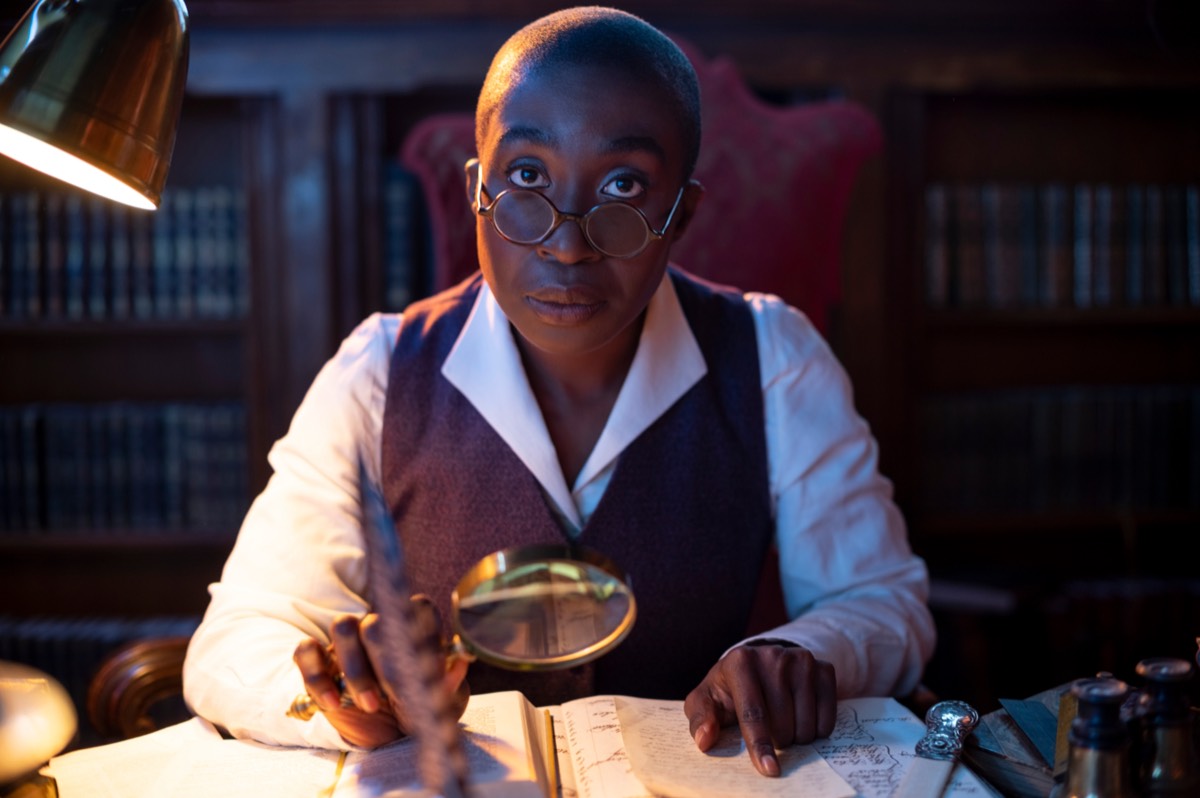
Erasmus Fry (Derek Jacobi) is an aging famous novelist with a secret in “Calliope.”

The Sandman topped Netflix’s list of most-watched shows for the first two weeks of its release and has garnered largely positive reviews. Yet the streaming platform has yet to renew the series for a second season. Gaiman rightly pointed out on Twitter that despite those strong viewing numbers and critical acclaim, it’s still a very expensive show to make. That incredible cast did not come cheap, nor did the lavish costumes and quality production. So the bar for renewal is set much higher than for a less expensive show.

Frankly, season 1 is well-nigh flawless and can stand on its own merits with or without subsequent seasons. But there’s still so much story left to tell. Preludes and Nocturnes and A Doll’s House set a series of events in motion for Morpheus that culminate in The Wake, and the series does the same. I would love to see Lucifer’s revenge in Seasons of Mist, for instance, and Gaiman’s masterful reworkings of A Midsummer Night’s Dream and The Tempest absolutely deserve the bonus episode treatment (as does Death: The High Cost of Living).

This is precisely the kind of creative content that’s ideally suited to streaming platforms like Netflix; it would never fly on a major network—and indeed, a planned network series foundered in development. Perhaps Netflix could nix a few of the current overabundant crop of gimmicky reality shows to make room in the budget for singular visions like The Sandman. Long-term, it would be well worth the investment.

Gaiman recently admitted to sabotaging an earlier planned film by leaking what he deemed one of the worst scripts he’d ever read. It would be tragic indeed if he waited all these decades to finally get the adaptation of his dreams, just to have the series be canceled after one season. Count me among those who will definitely be tuning in if we get more seasons. Now excuse me while I go binge-watch the first season one more time.

The Sandman S1 is now streaming on Netflix. You should watch it. And be sure to check out the end credits. Sandman‘s original cover artist Dave McKean came out of retirement to create them.

Official trailer for The Sandman.

Listing image: Netflix

Photo of Jennifer Ouellette
Jennifer Ouellette Senior Writer
Jennifer is a senior writer at Ars Technica with a particular focus on where science meets culture, covering everything from physics and related interdisciplinary topics to her favorite films and TV series. Jennifer lives in Baltimore with her spouse, physicist Sean M. Carroll, and their two cats, Ariel and Caliban.
221 Comments