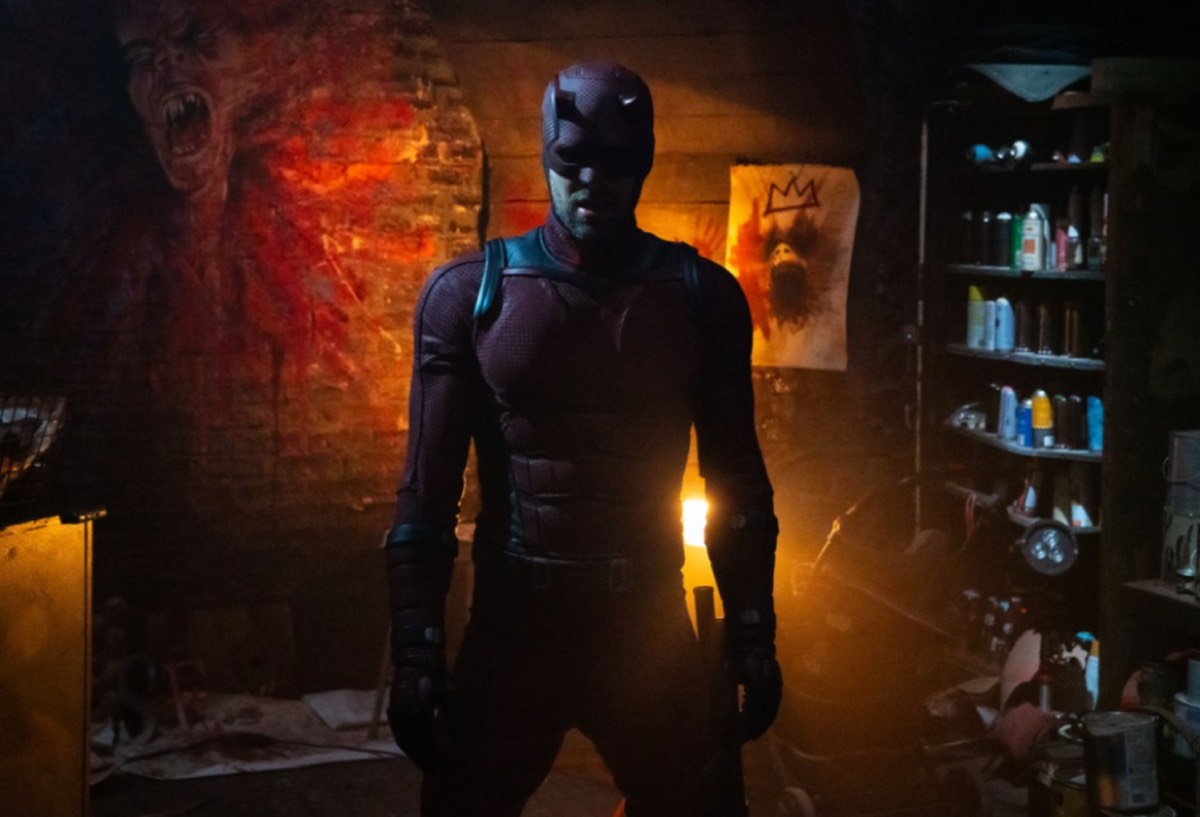
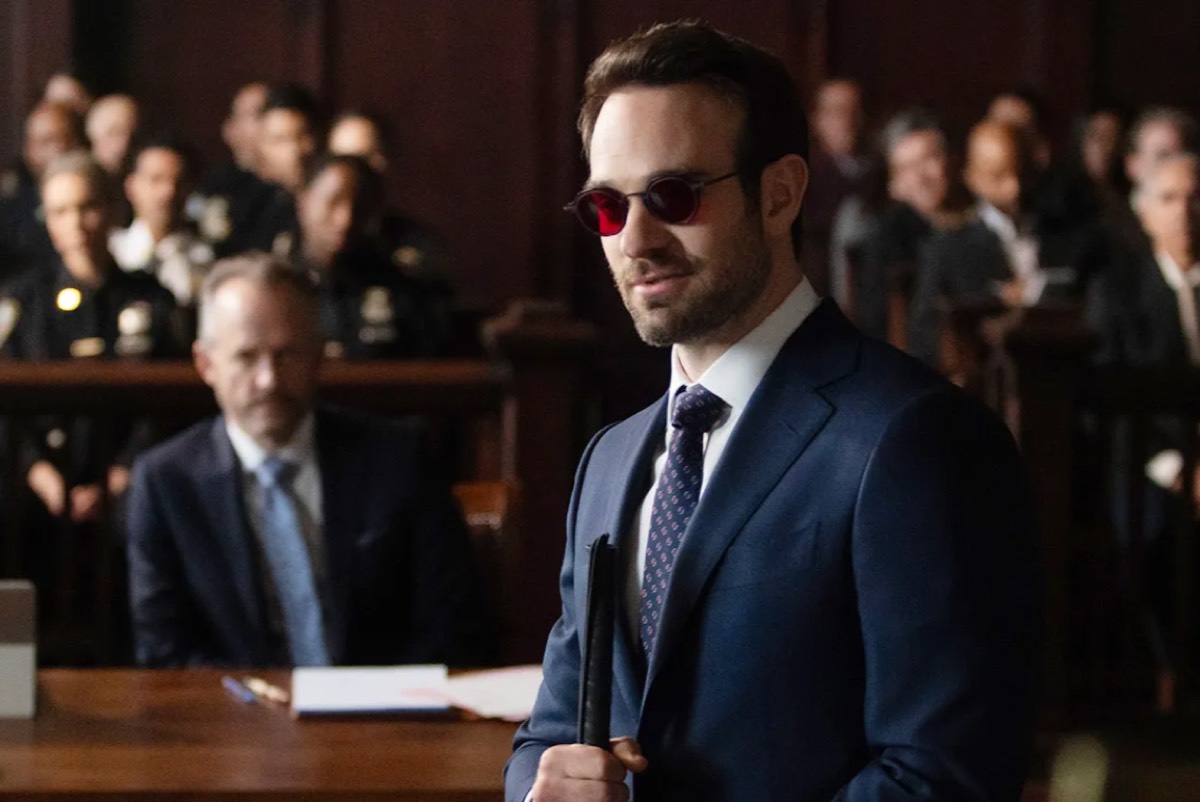
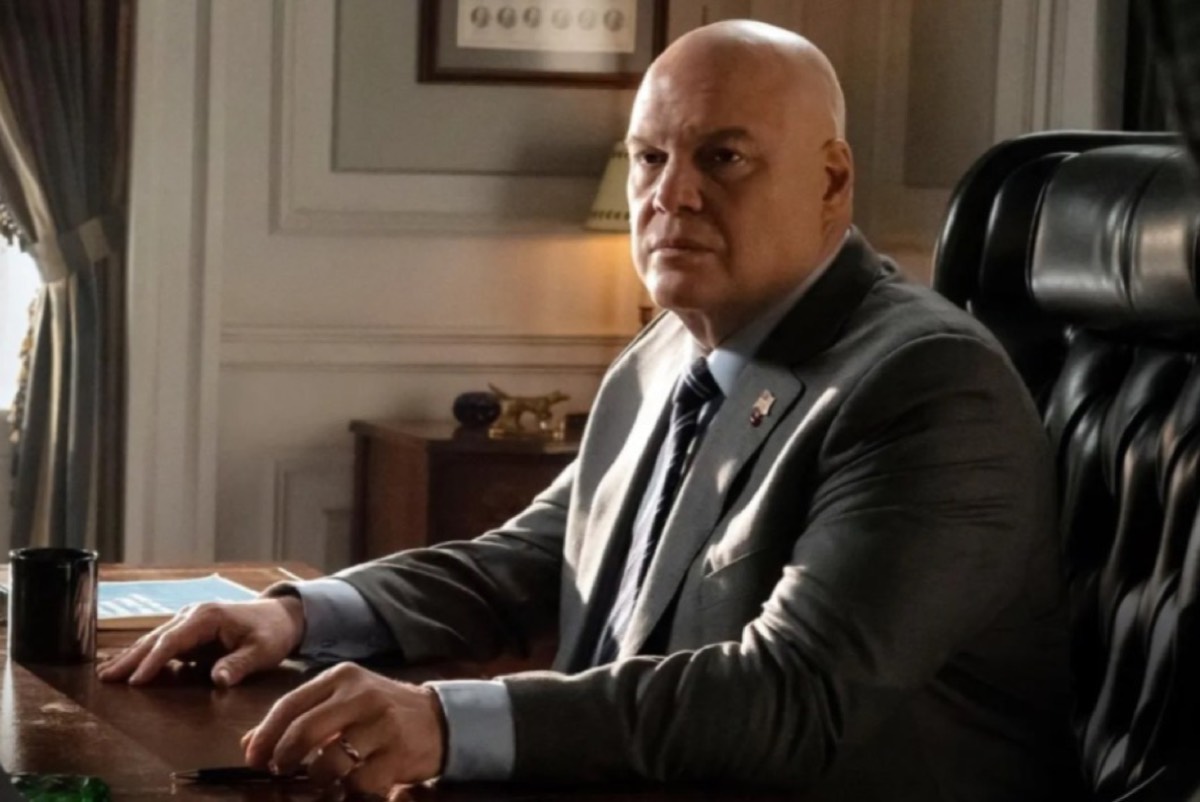
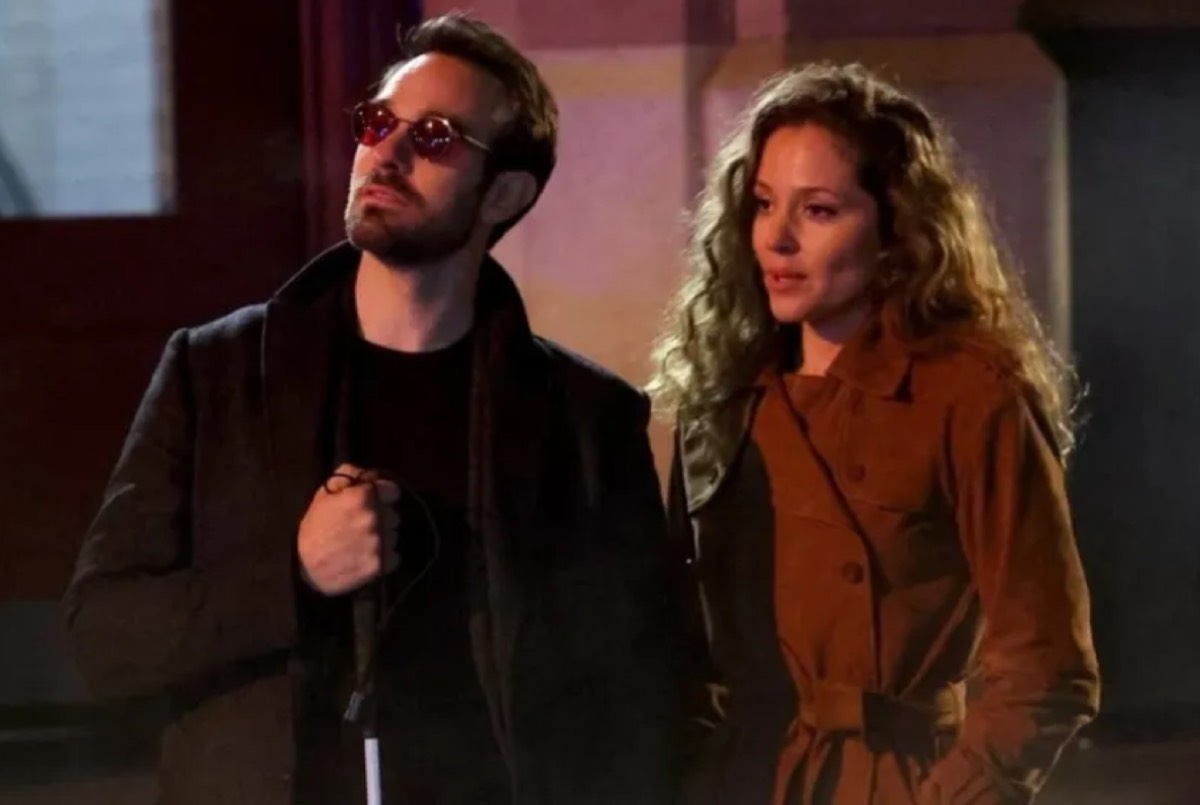
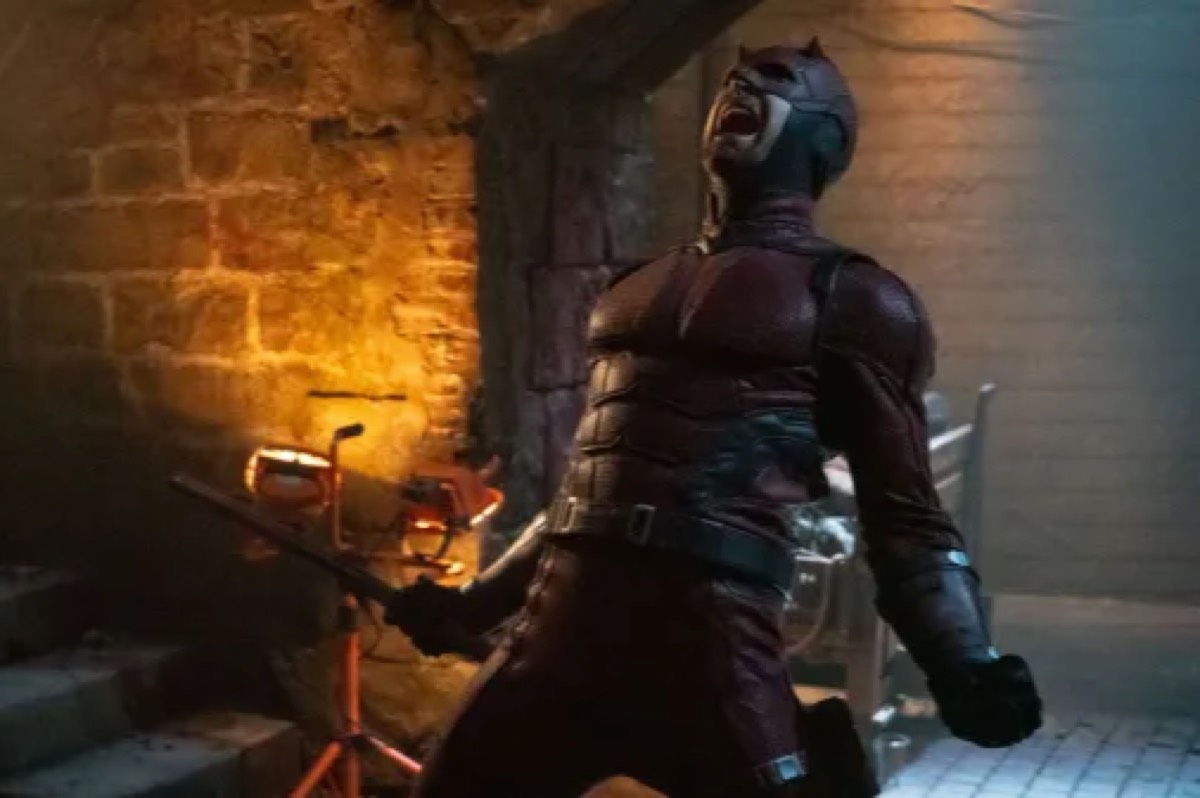
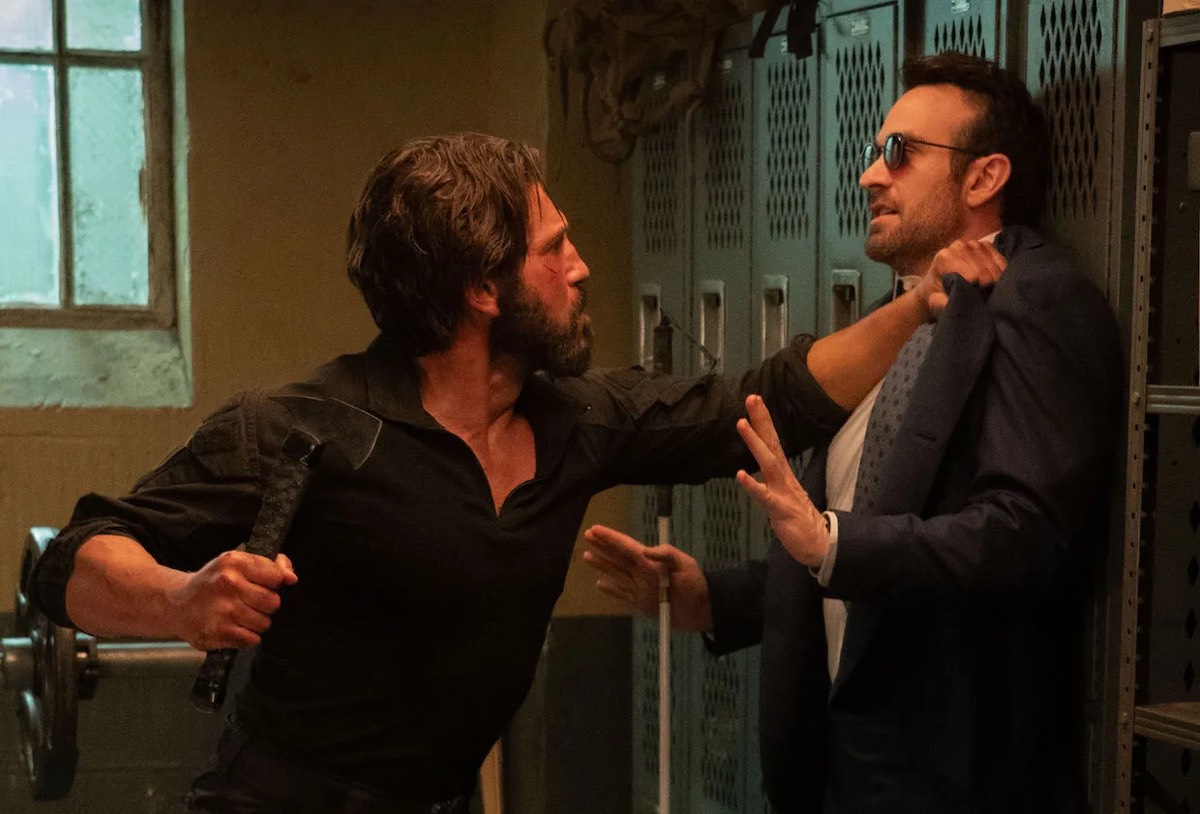
Enthusiasm was understandably high for Daredevil: Born Again, Marvel’s revival of the hugely popular series in the Netflix Defenders universe. Not only was Charlie Cox returning to the title role as Matt Murdock/Daredevil, but Vincent D’Onofrio was also coming back as his nemesis, crime lord Wilson Fisk/Kingpin. Their dynamic has always been electric, and that on-screen magic is as powerful as ever in Born Again, which quickly earned critical raves and a second season that is currently filming.
(Some spoilers for the series below, but no major reveals beyond the opening events of the first episode.)
Born Again was initially envisioned as more of an episodic reset rather than a straight continuation of the serialized Netflix series. But during the 2023 Hollywood strikes, with production halted, the studio gave the show a creative overhaul more in line with the Netflix tone, even though six episodes had been largely completed by then. The pilot was reshot completely, and new footage was added to subsequent episodes to ensure narrative continuity with the original Daredevil—with a few well-placed nods to other characters in the MCU for good measure.
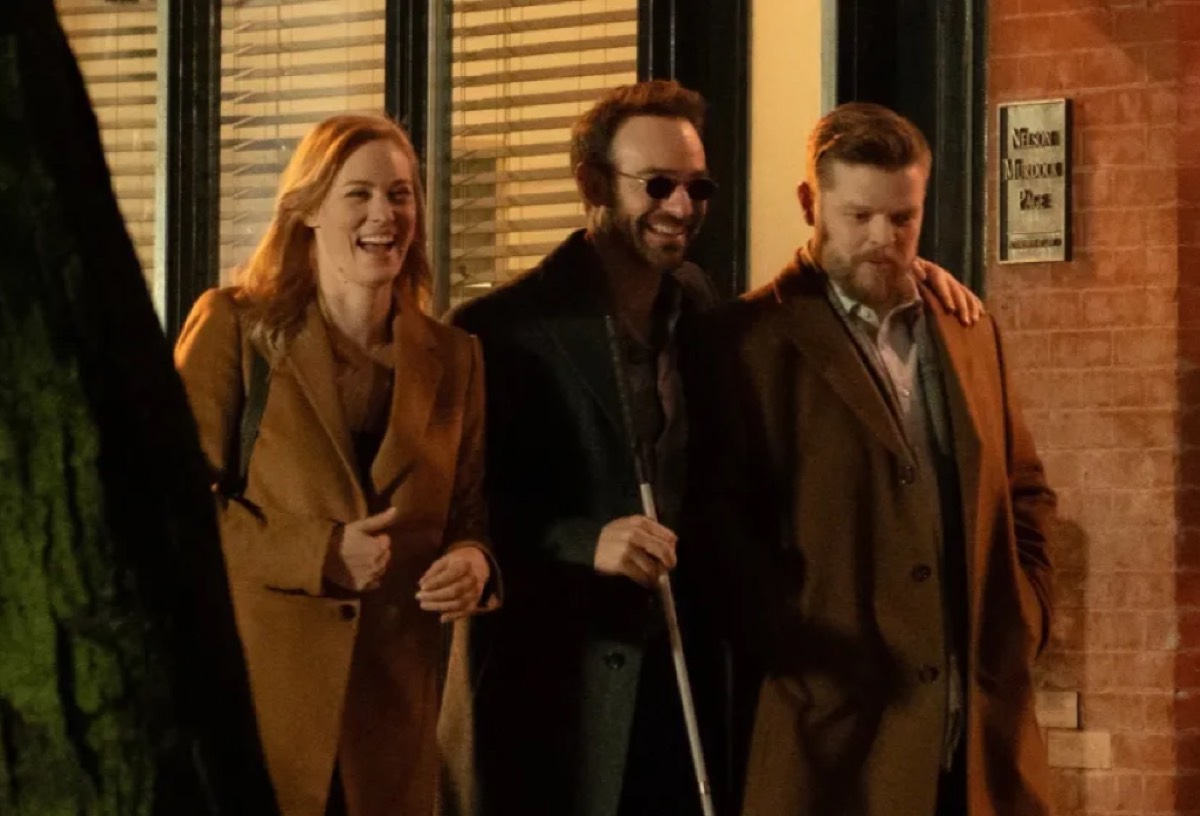
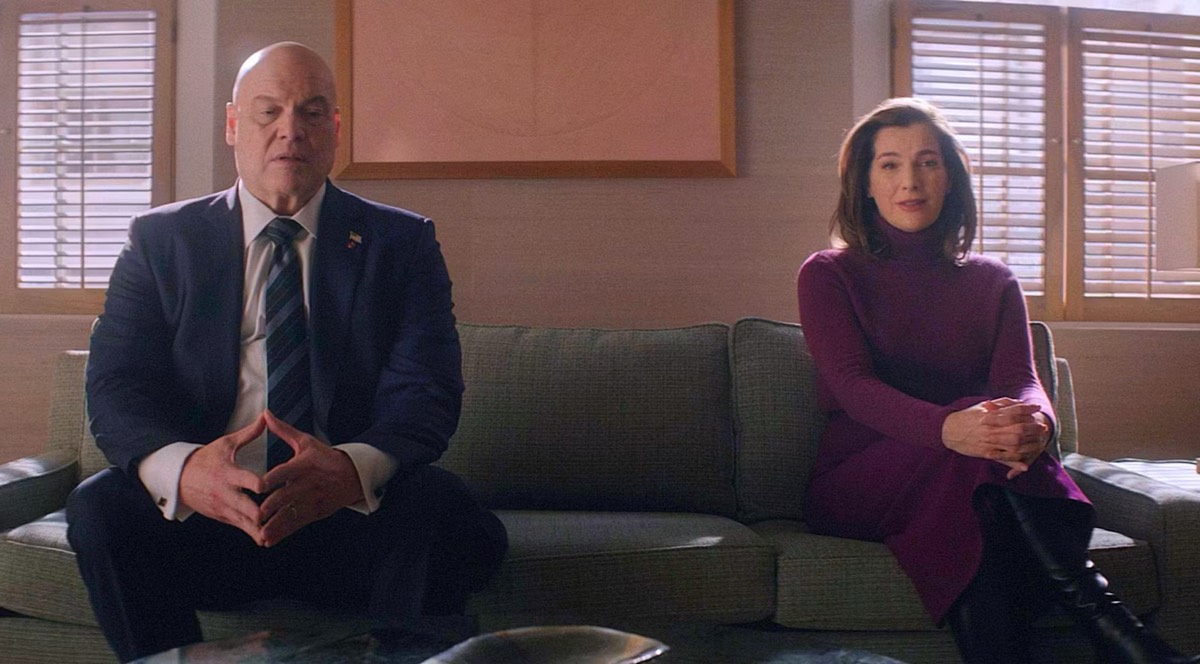
It was a savvy move. Sure, fans were shocked when the pilot episode killed off Matt’s best friend and law partner, Foggy Nelson (Elden Hensen), in the first 10 minutes, with his grief-stricken law partner, Karen Page (Deborah Ann Woll), taking her leave from the firm by the pilot’s end. But that creative choice cleared the decks to place the focus squarely on Matt’s and Fisk’s parallel arcs. Matt decides to focus on his legal work while Fisk is elected mayor of New York City, intent on leaving his criminal life behind. But each man struggles to remain in the light as the dark sides of their respective natures fight to be released.
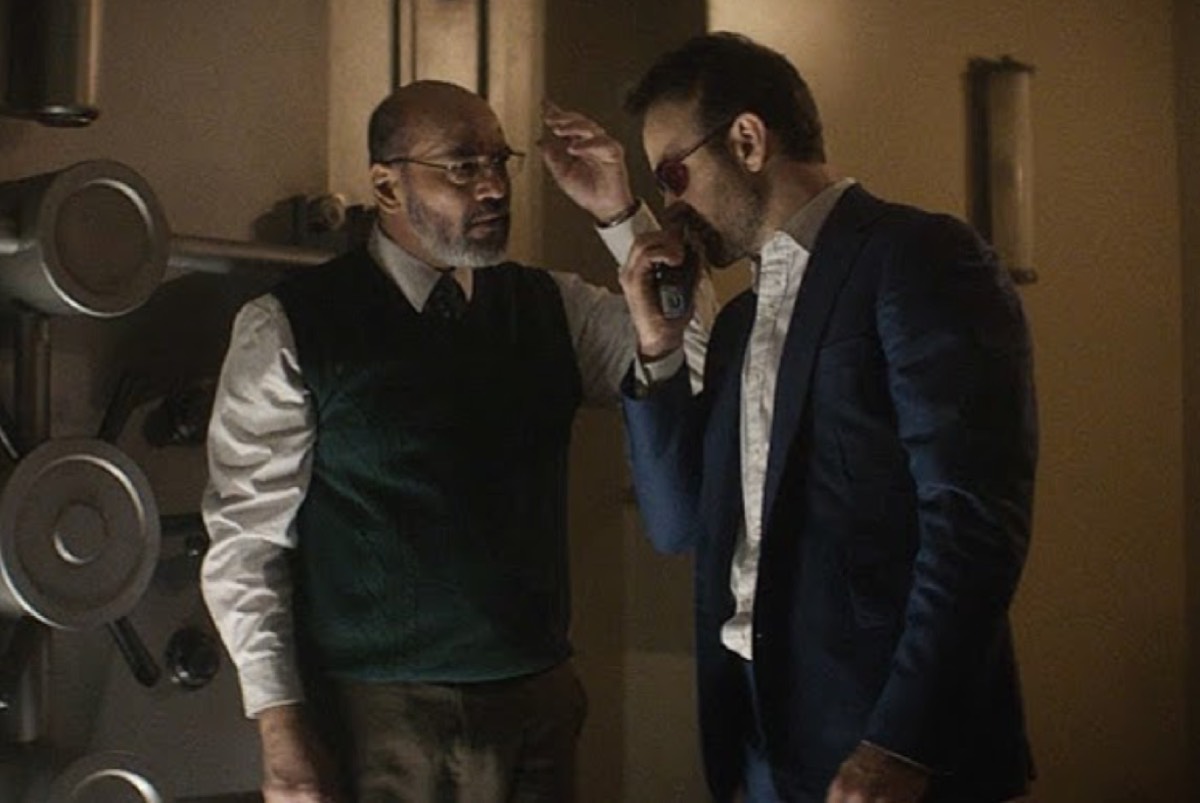
The result is a series that feels very much a part of its predecessor while still having its own distinctive feel. Much of that is due to cinematographer Hillary Fyfe Spera, working in conjunction with the broader production team to bring Born Again‘s aesthetic to vivid life. Fyfe Spera drew much of her inspiration from 1970s films like Taxi Driver, The French Connection, The Conversation, and Klute. “I’m a big fan of films of the ’70s, especially New York films,” Fyfe Spera told Ars. “It’s pervaded all of my cinematography from the beginning. This one in particular felt like a great opportunity to use that as a reference. There’s a lot of paranoia, and it’s really about character, even though we’re in a comic book environment. I just thought that the parallels of that reference were solid.”

 Loading comments...