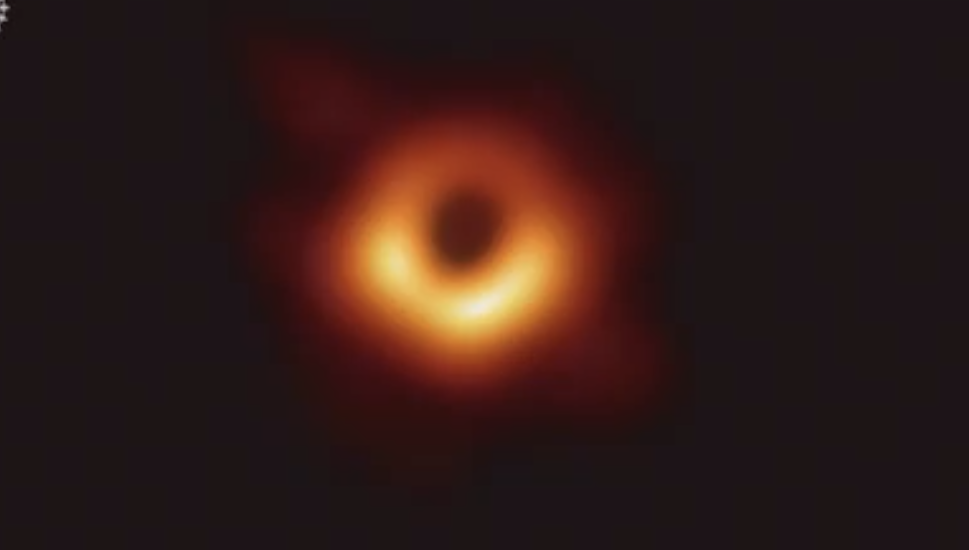
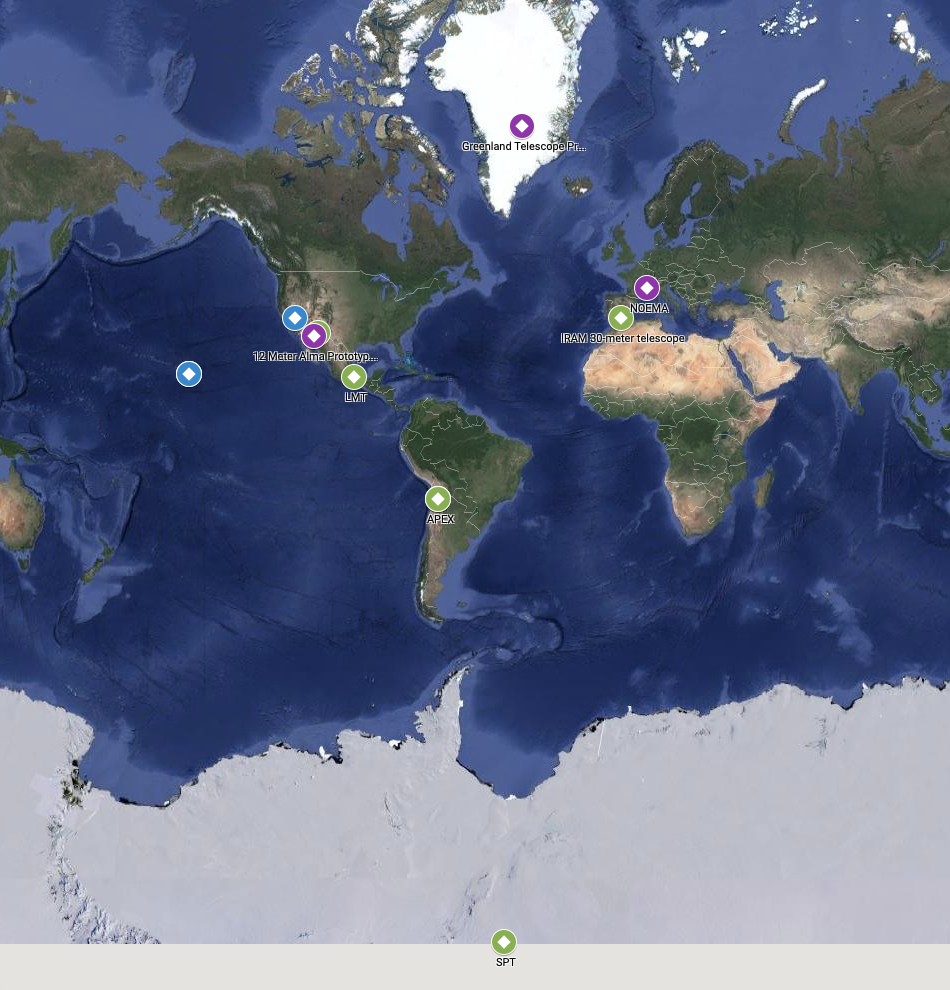
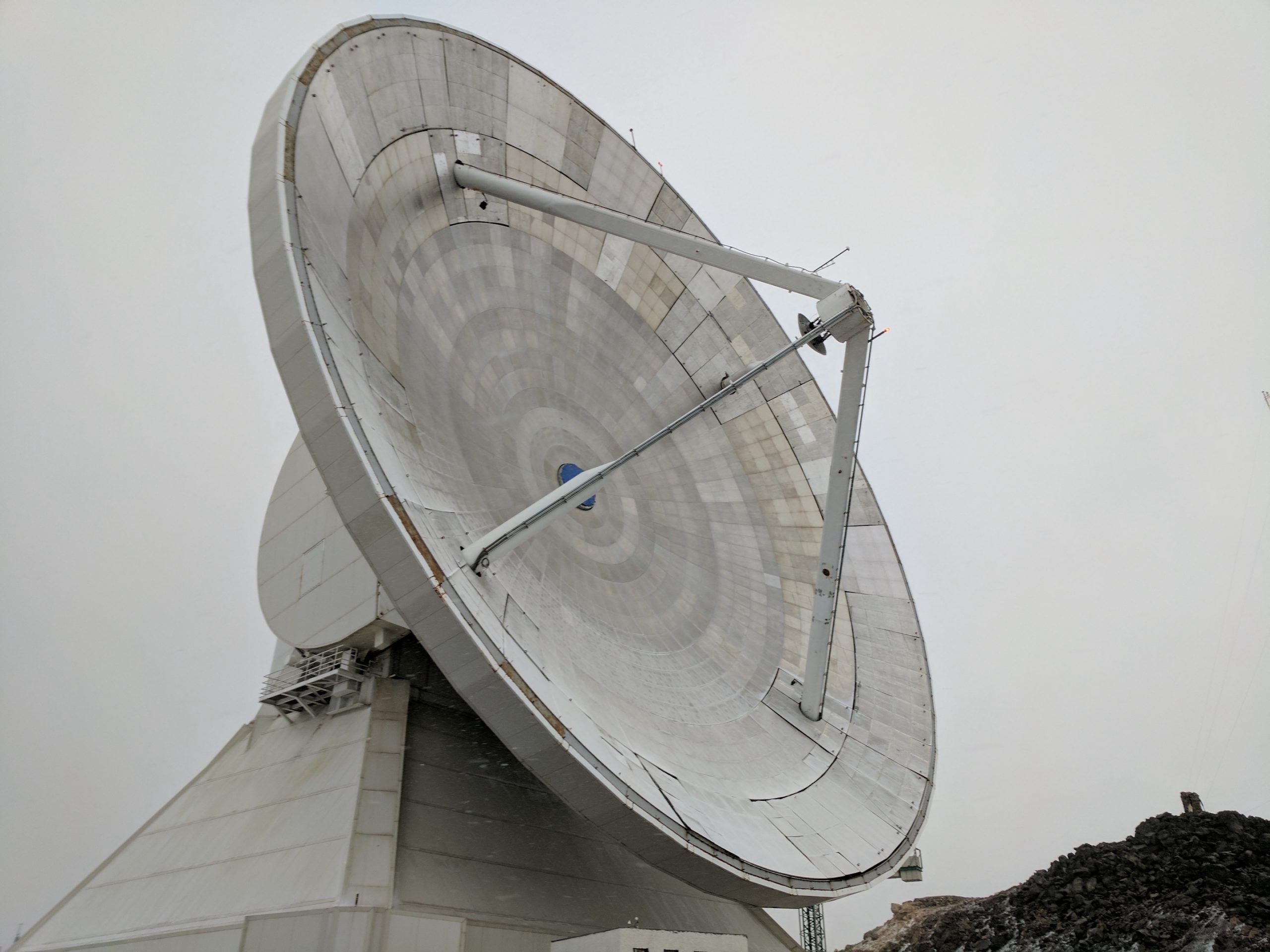
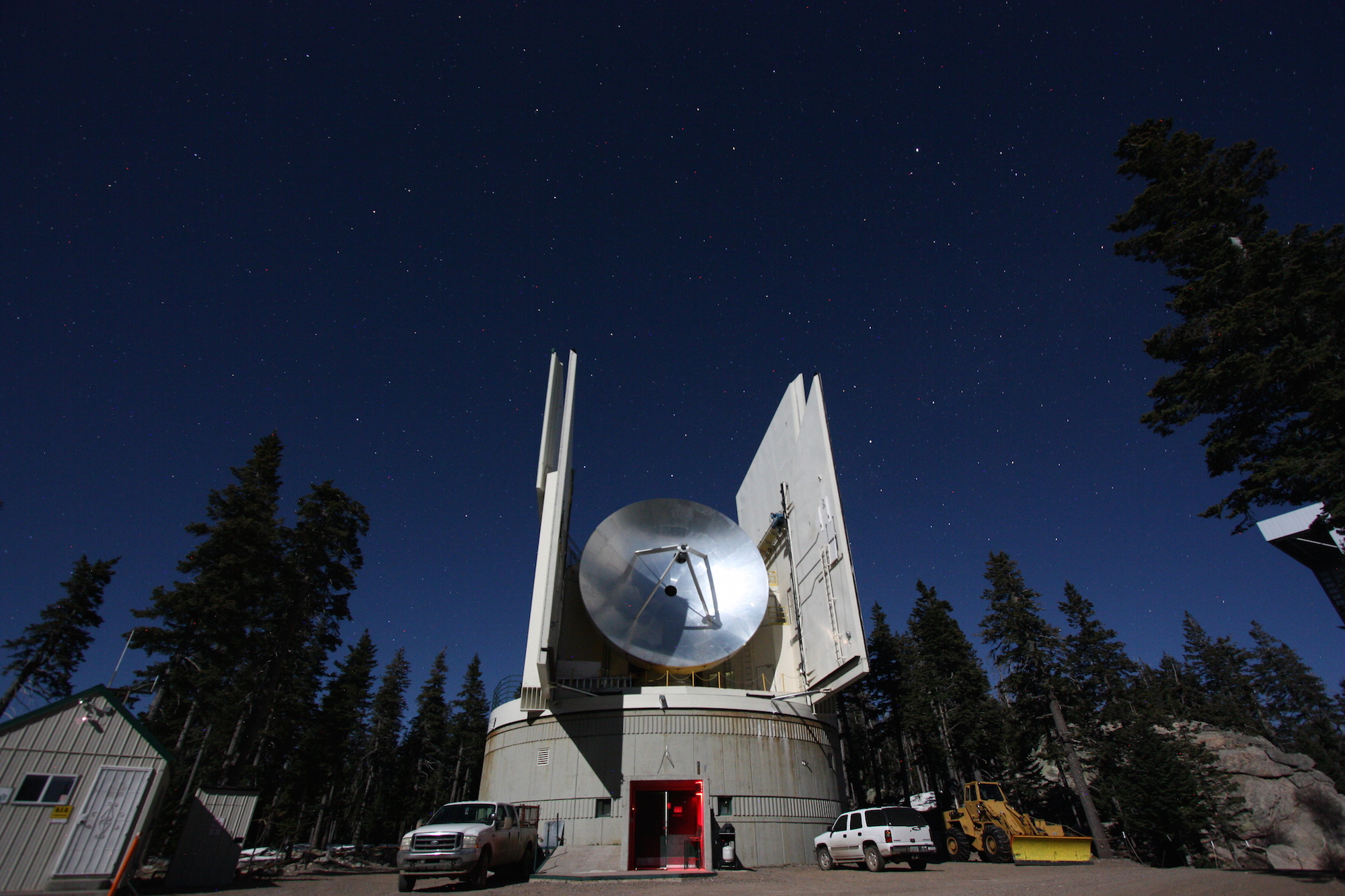
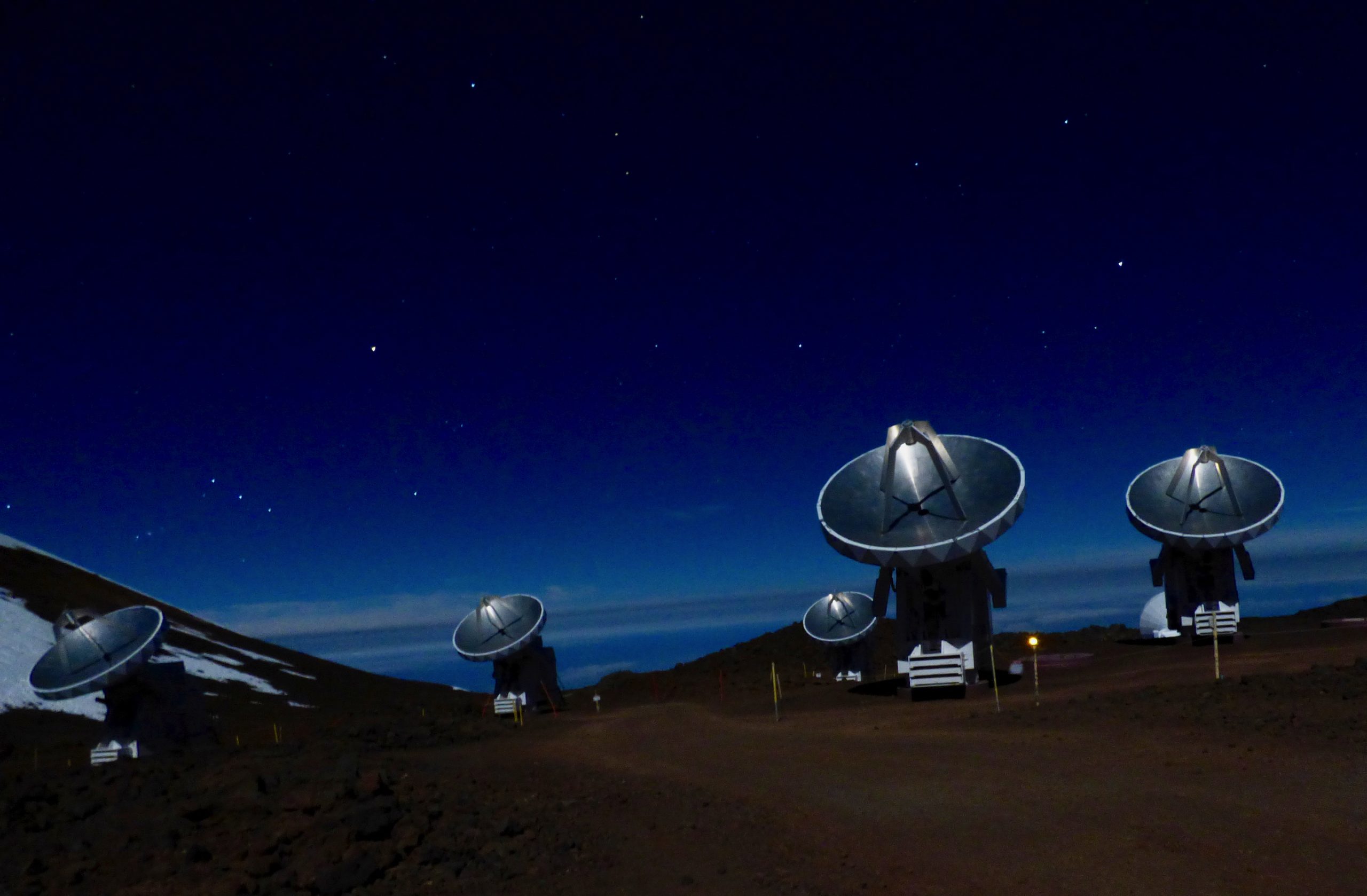
Two years ago, telescopes around the world turned their attention to two supermassive black holes. Now, after a massive computational effort, their data has been combined in a way that allowed them to function as a single, Earth-sized telescope. The results are an unprecedented glimpse of the environment around supermassive black holes, and they confirm that relativity still works under the most extreme gravitational forces.
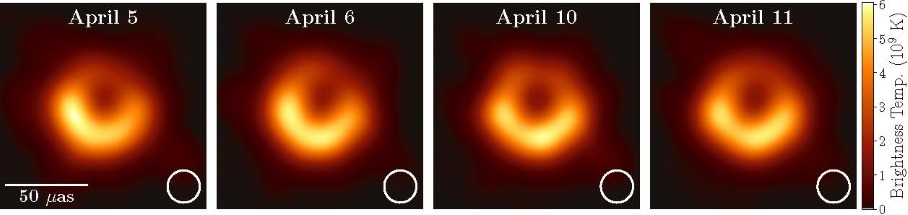
The black hole in that’s the subject of today’s announcement is a supermassive one at the center of the galaxy M87, 55 million light years away. M87 is an active galaxy where the black hole is feeding on matter and ejecting jets of material. The image itself, however, is made from photons that were temporarily trapped in orbit around the black hole. Here, at the edge of the event horizon, the intense gravity causes space itself to swirl around the black hole, and causes nearby matter to move at approximately the speed of light. The eventual escape of these photons causes a bright ring to appear around the black hole, with the details of the ring reflecting the physics of the object.
A monster
At a press conference this morning, Avery Broderick of the Perimeter Institute described what the images tell us. One key finding is that the object is truly a black hole, at least as we’ve understood black holes using relativity. It does not have any visible surface, and the “shadow” of light it creates is circular within the limits of our observations. We can also tell that it spins clockwise. All of the properties we can infer from these images are consistent with relativity. “I was a little stunned that it matched the predictions we made so well,” said Broderick.
The University of Amsterdam’s Sera Markoff said that the size of the black hole provided a new estimate of its mass; she called it “really a monster, even by black hole standards.” It’s roughly the size of the Solar System, but it has a mass that is 6.5 billion times that of our Sun. This actually resolved a conflict between two other measures of its mass, one from the motion of gas clouds nearby, the other from tracking the stars orbiting it. This may help us refine estimates of mass for black holes elsewhere.

 Loading comments...