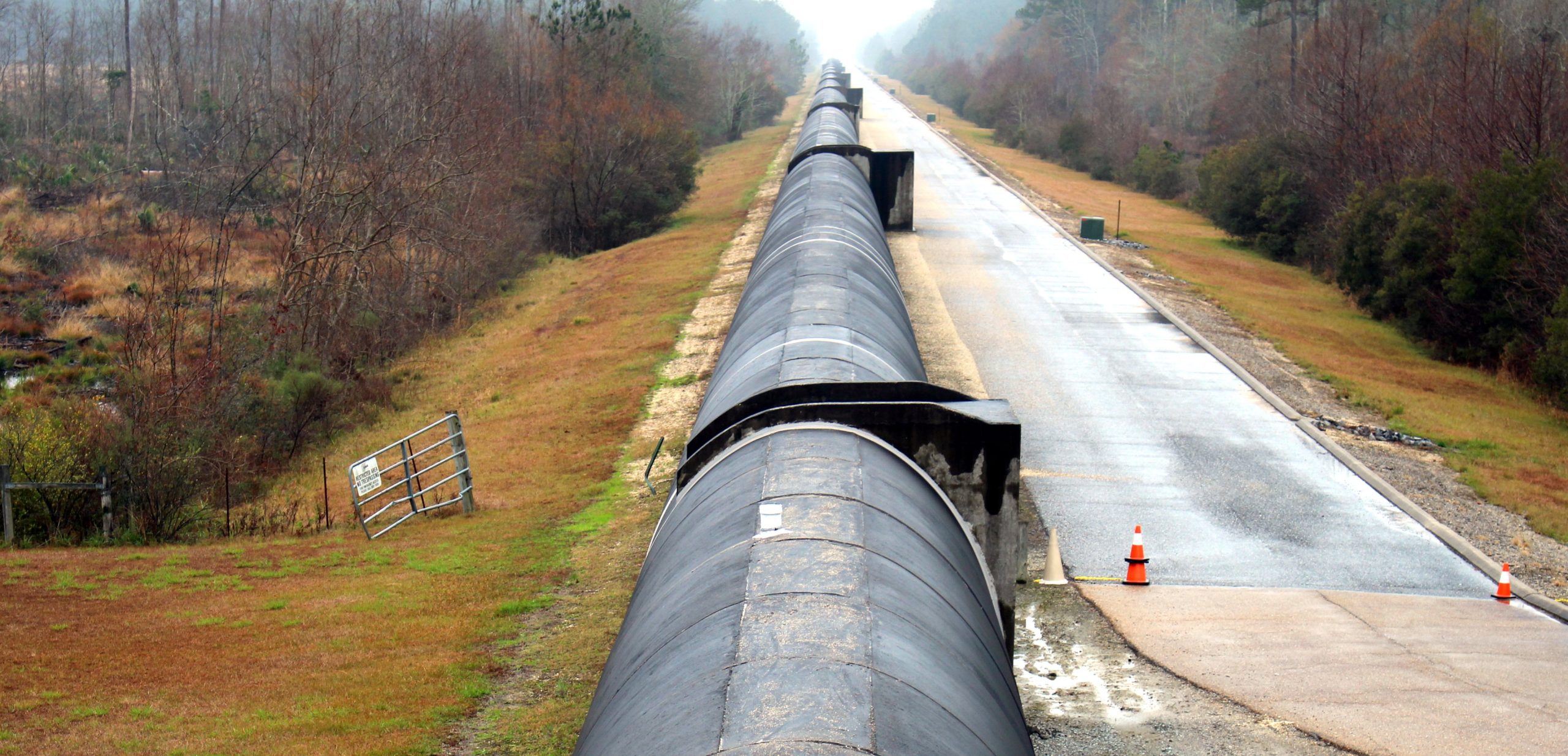
From almost the moment their discovery was announced, everyone agreed that the first sighting of gravitational waves was going to win a Nobel Prize. The only questions were when and who would receive the honor. Both of those questions have now been answered. When is now, and who turned out to be three individuals who contributed to the project in very different ways.
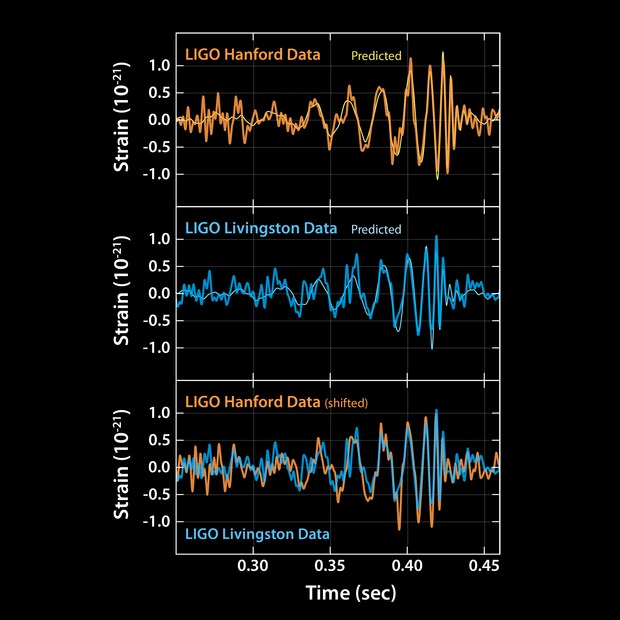
Caltech’s Kip Thorne, a theoretician who made sure we knew what a gravitational wave would look like when we saw it, was one honoree. He was joined by Rainer Weiss, an MIT scientist who helped build some of the first prototype detectors that would eventually inspire the LIGO design, and Barry Barish, another Caltech physicist who was put in charge of the LIGO collaboration and became instrumental in ensuring that the hardware was built and that a large international collaboration was present to operate it and analyze the results.
While LIGO was a stunning success, its history suggests that there were countless ways it and the entire field of gravitational wave physics might have failed. And those ways all lead back to the very person whose work suggested that space-time itself could experience ripples.
Is there anything out there?
Gravitational waves are changes in the fabric of space caused by the acceleration of an object. All objects produce them, but only the most massive can make a wave that can possibly be detected. Their existence was a consequence of Einstein’s theory of relativity, although they weren’t an obvious outcome of his equations when he first proposed them in 1915. In fact, Einstein wrote a paper in 1936 in which he attempted to demonstrate that gravitational waves could not possibly exist. A peer reviewer recognized some mistakes in his math and rejected the paper.


 Loading comments...