
When clouds flock together
Scientists discover that clumping clouds supercharge storms in surprising ways.
Knowable Magazine
–
|
12

Scientists discover that clumping clouds supercharge storms in surprising ways.
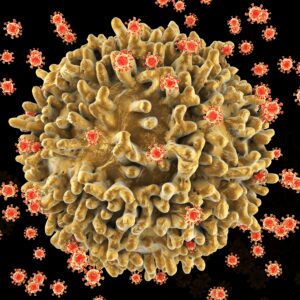
Promising trials using engineered antibodies suggest that “functional cures” may be in reach.
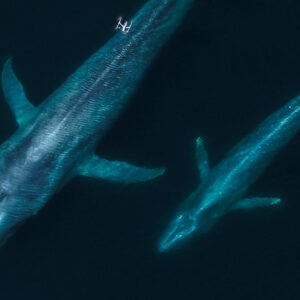
Aerial drones are giving scientists a new view of life at sea.

Superionic materials promise greater range, faster charges and more safety.
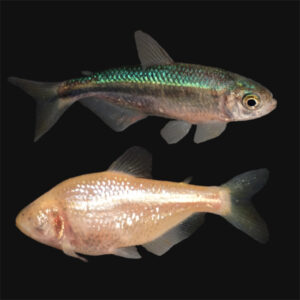
Mexican tetras in pitch-black caverns had no use for the energetically costly organs.
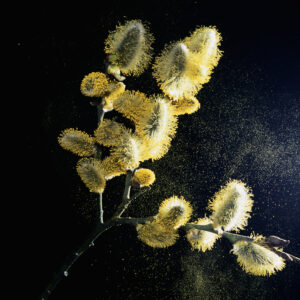
Reengineered, pollen could become a range of eco-friendly objects.

New experiments focused on understanding the enigmatic neutrino may offer insights.
Researchers hope a new technique can treat a variety of damaged organs.

Bird-friendly agriculture can assist in helping waterbirds with rest stops along their seasonal migration routes.
As trees choked by saltwater die along low-lying coasts, marshes may move in.

Collisions hold lessons for how the edges of continents are built and change over time.
H5N1 influenza’s origins stretch back to the 1990s.

Nigeria is pioneering the development of small, off-grid solar panel installations.
Utterances like um, wow, and mm-hmm aren’t garbage—they keep conversations flowing.
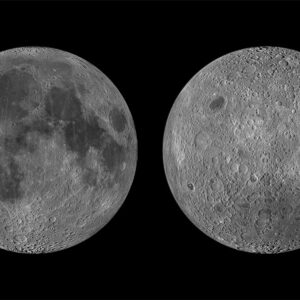
As NASA astronauts aim for landings in 2027, geologists find surprises in recently retrieved samples from the far side
North America’s largest bird disappeared from the wild in the late 1980s.

When the Sun doesn’t shine and the wind is calm, humankind still needs power.
Some say it’s a costly pipe dream; others say it’s part of the future.

Hint: It involves finding exactly the right proteins.
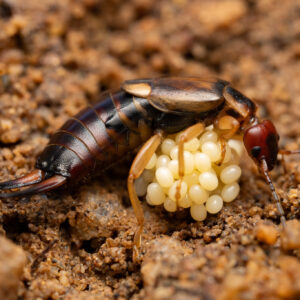
Elaborate courtship, devoted parenthood, gregarious nature (and occasional cannibalism)—earwigs have a lot going for them.
Unusual variations in the cellular protein factory can skew development, help cancer spread, and more. But ribosome variety may also play biological roles, scientists say.

One class of drugs has already found success in treating the painful, common attacks.
Wood offers architects an alternative to carbon-intensive steel and concrete.
Studies suggested it could treat cancer, but the clinical trials were a bust.
Some go gently into the night. Others die less prettily.
Nightly suspended animation, sugary diet, backwards flight, and long migrations help.
Contaminants can alter plant odors and warp insects’ senses, disrupting the process of pollination.
Psychologists now view an out-of-control compulsion to work as an addiction.
Long-term studies reveal what elderly deer, sheep, and macaques are up to in their later years.
Cats twist and snakes slide, exploiting and negotiating physical laws.

The technologies are useful tools but have yet to move us away from fossil fuels.

We need new fuels as society moves away from coal, natural gas and oil.

Scientists are working to understand how the barrier is affecting the area’s biodiversity.
Tumor-seeking radiopharmaceuticals promise targeted treatments with fewer side effects.
New tools for lowering methane emissions from livestock are on their way.
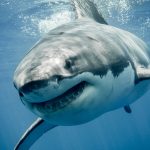
Despite protection measures, these fish are among the most endangered animals.